Azam Foundation The Gambia Project
Kotaramulla Village
Azam Education Institute School One
Azam Education Institute School Two
Azam Foundation The Gambia Project
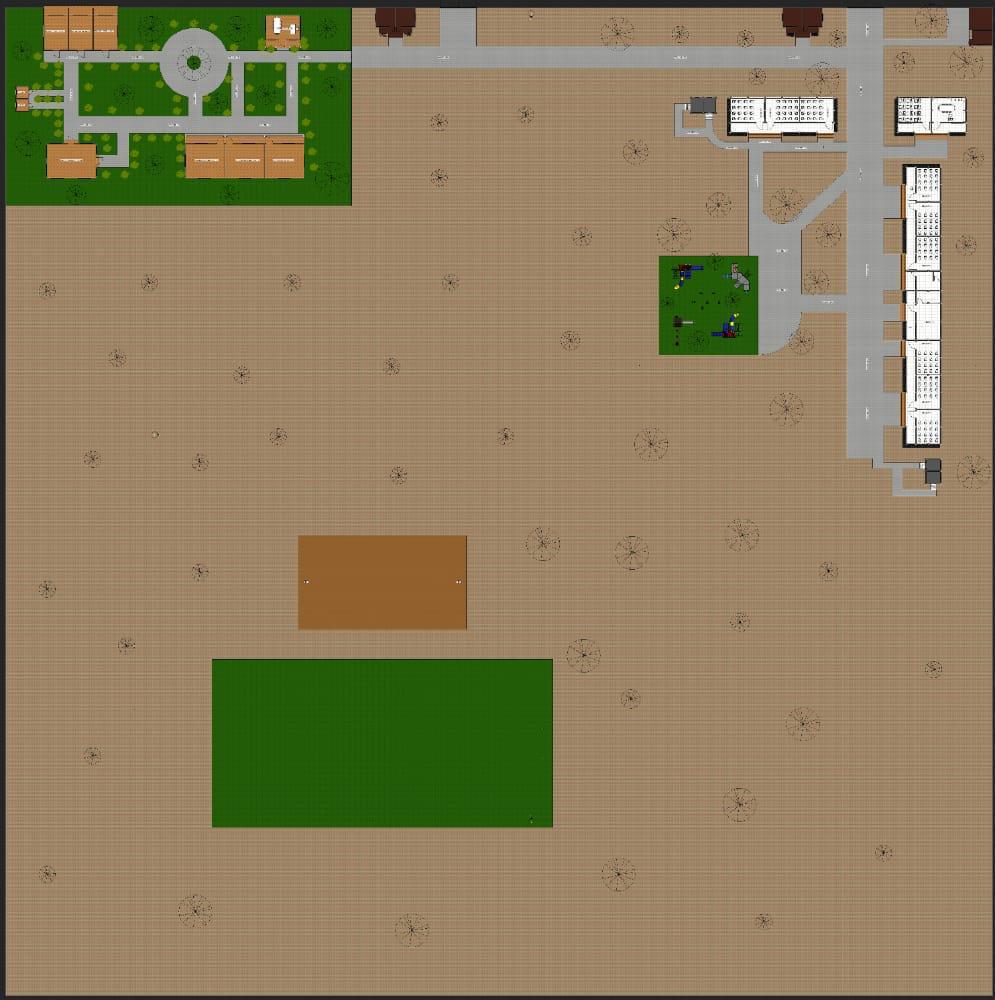
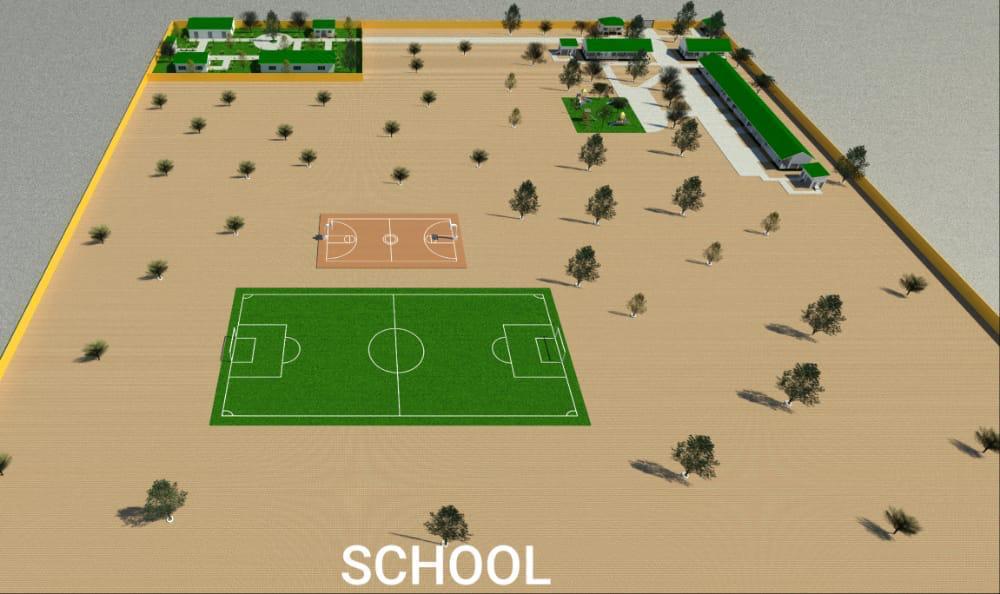
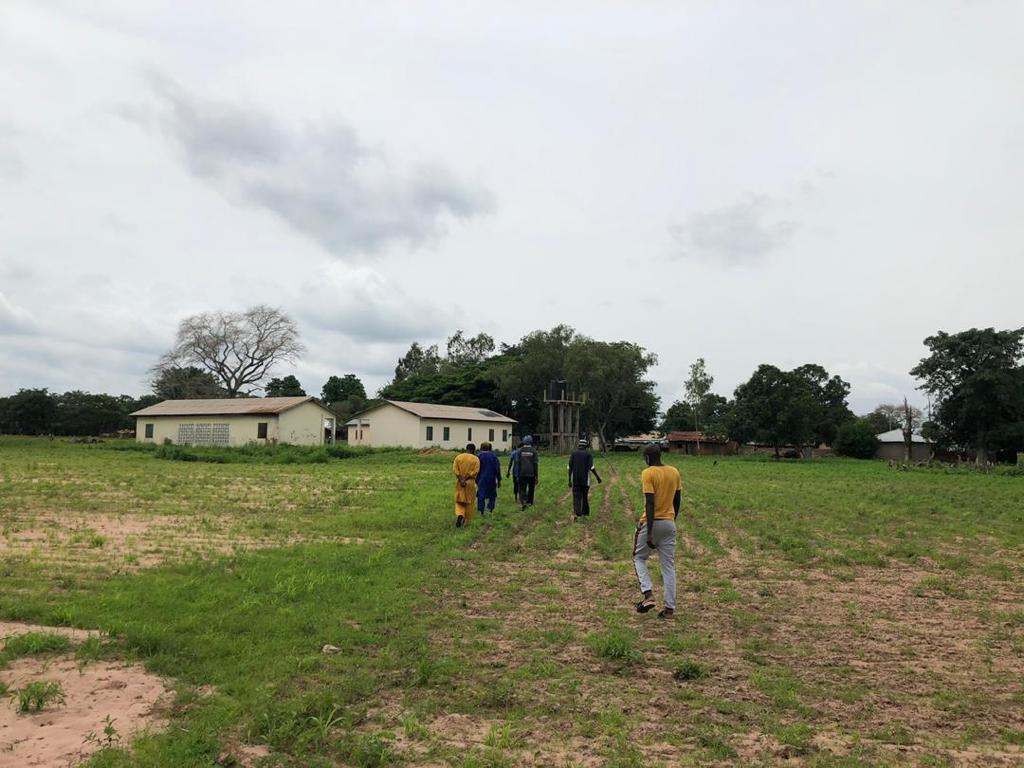
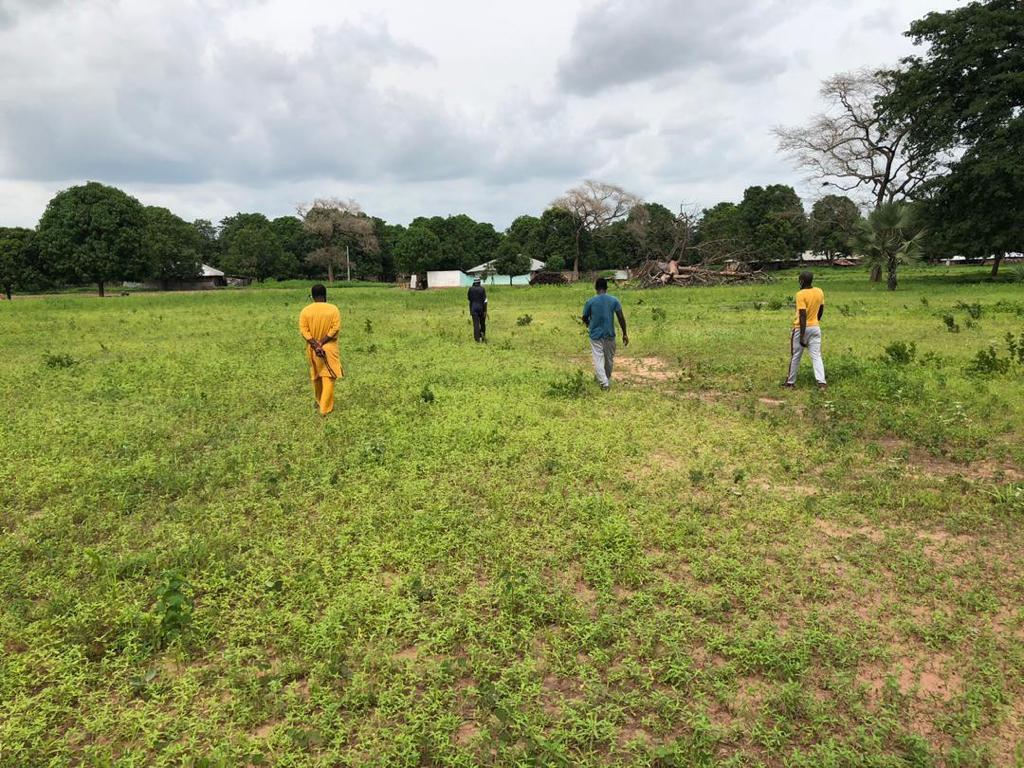
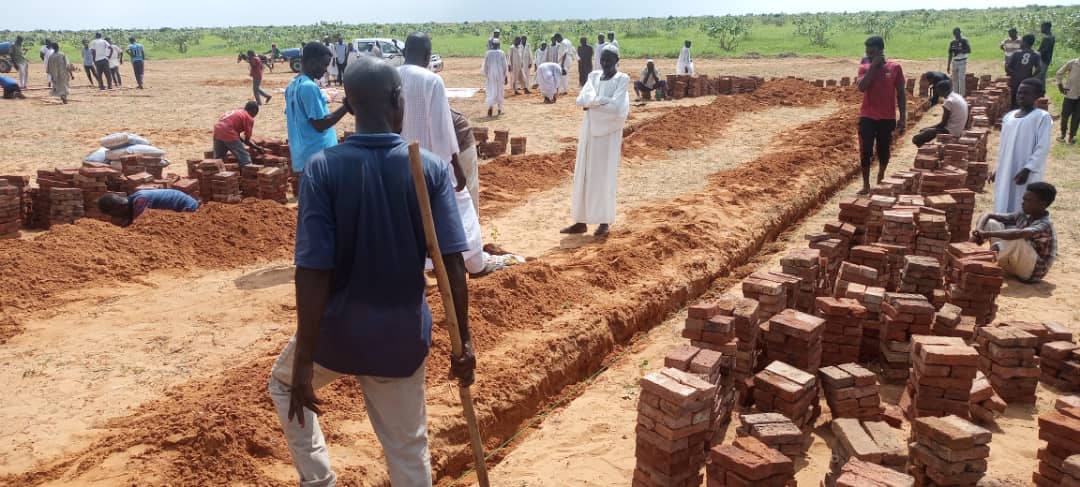
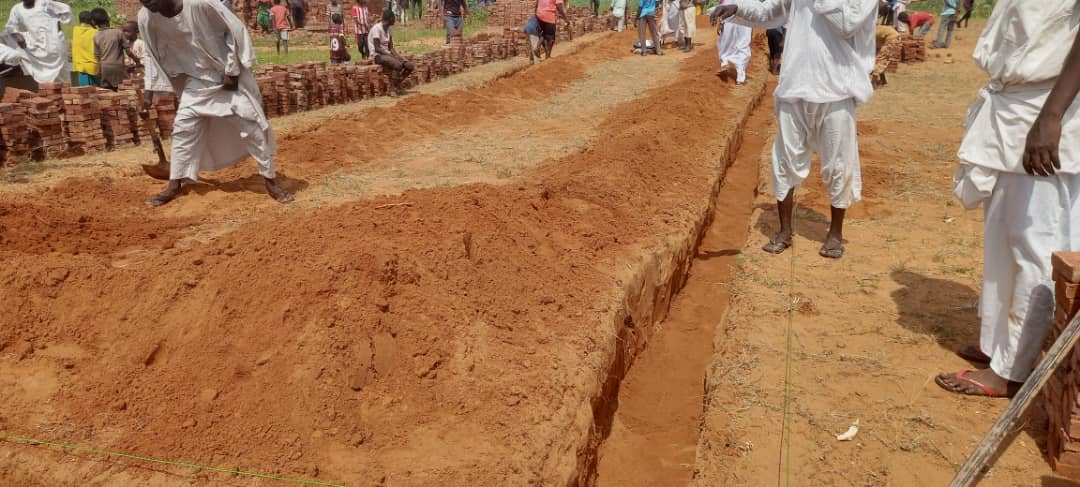
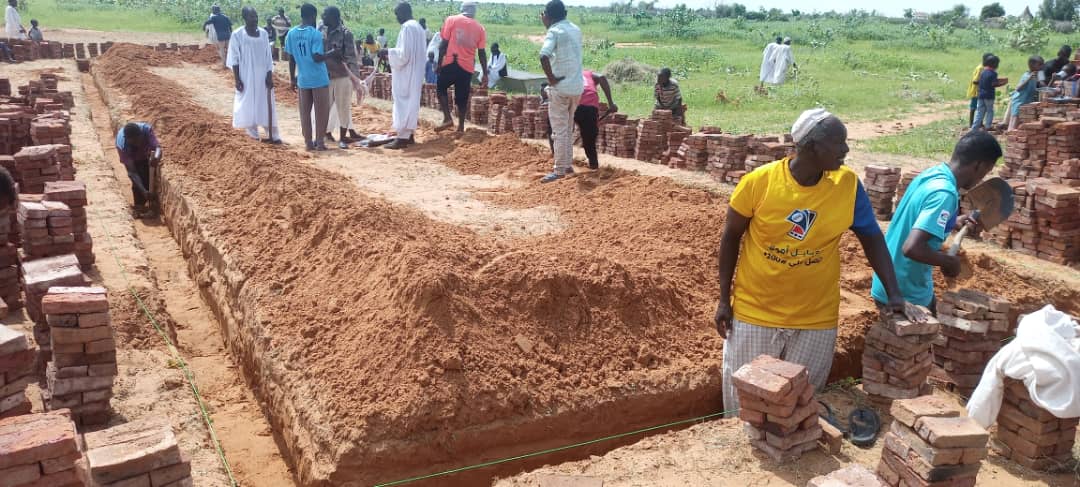
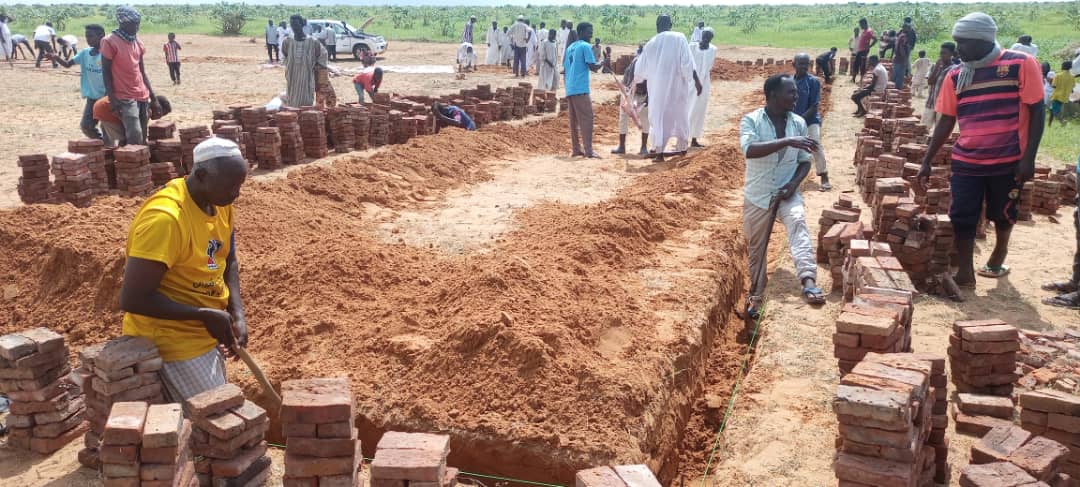
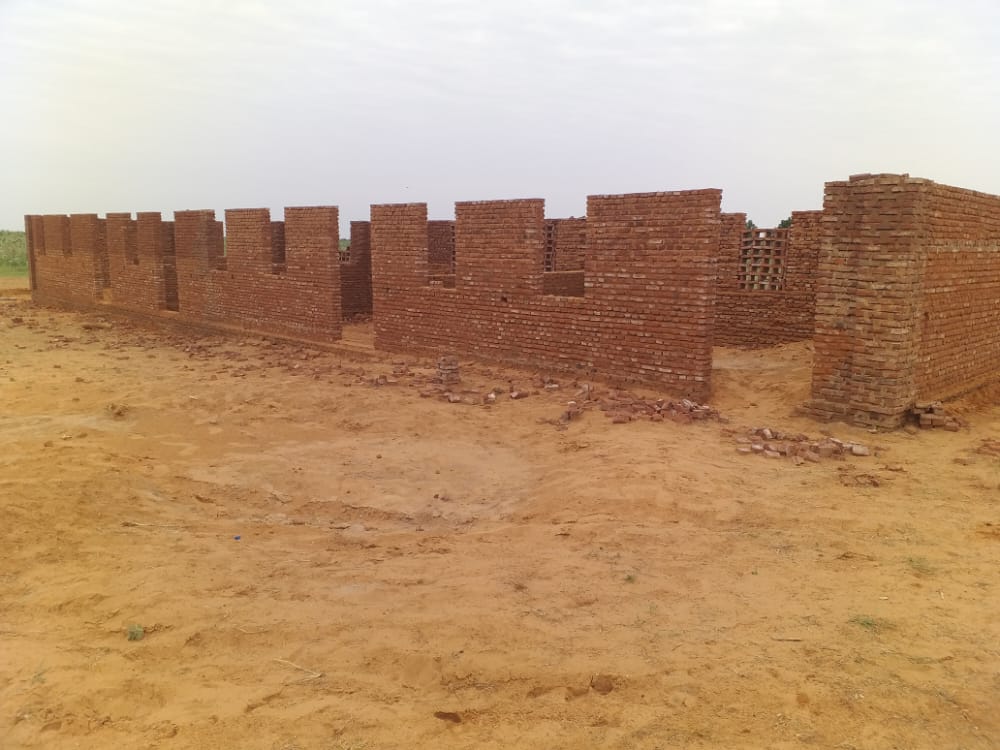
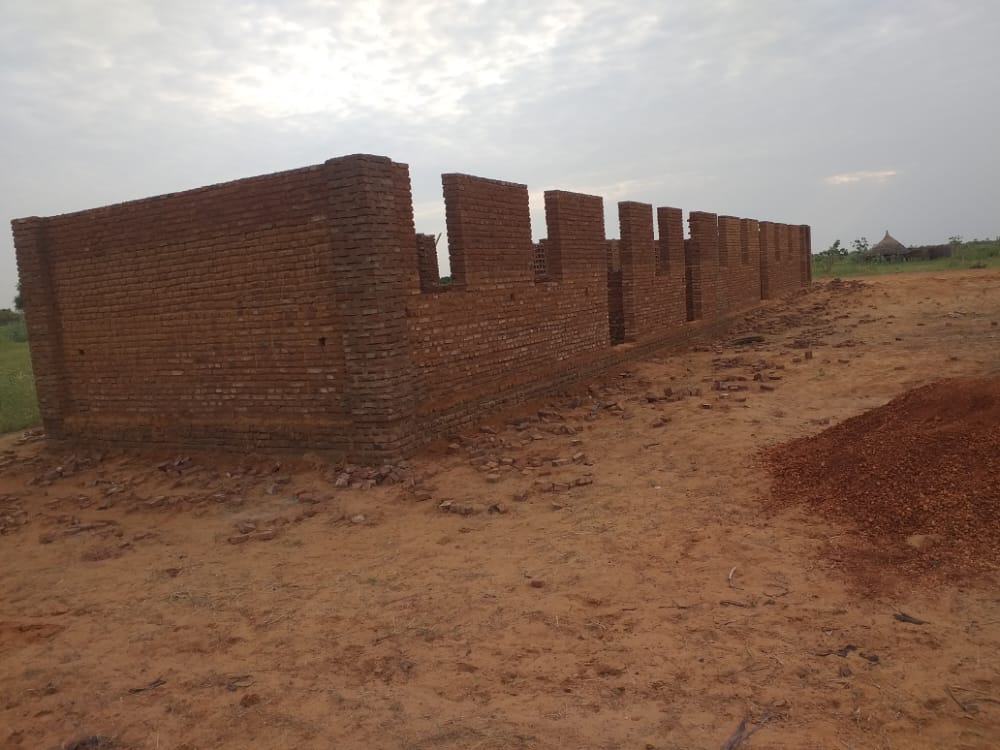
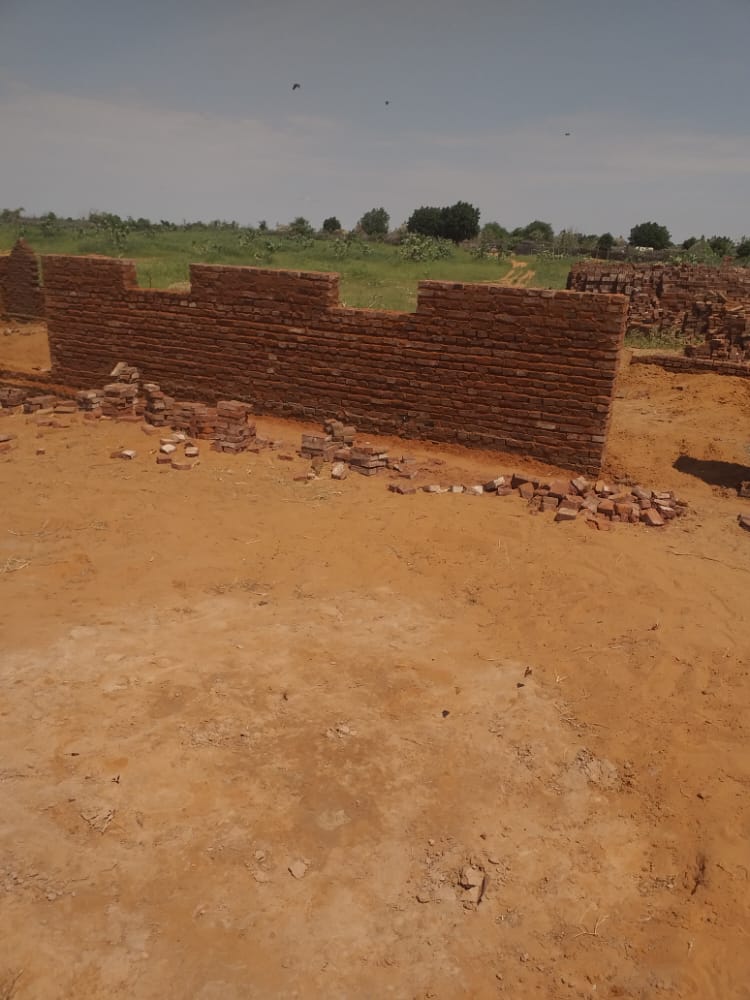
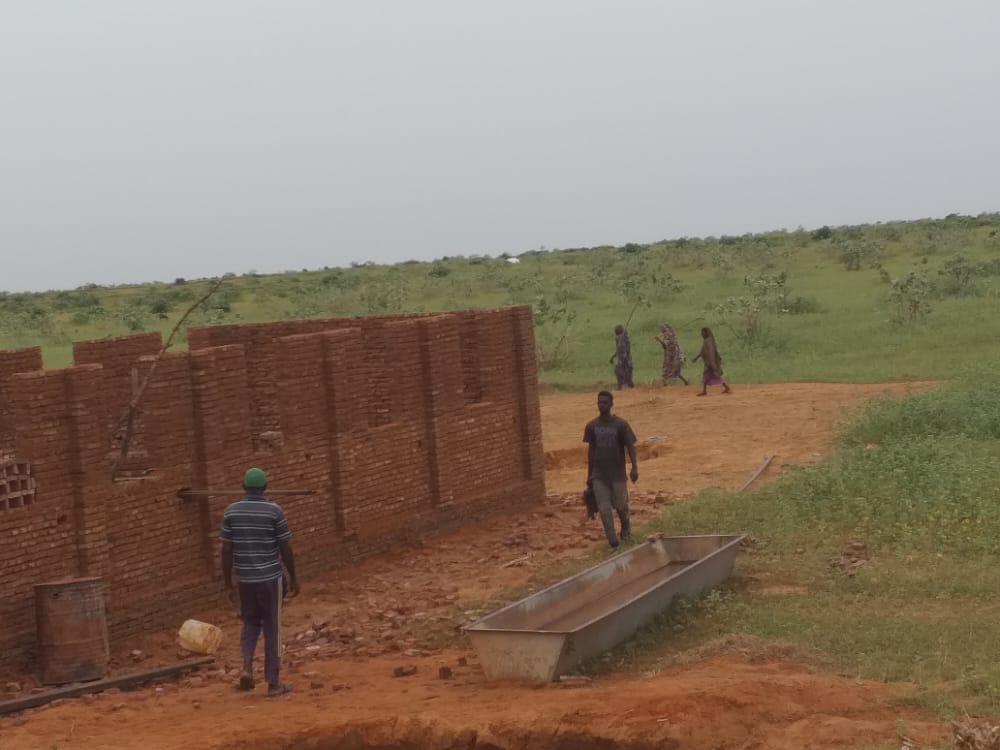
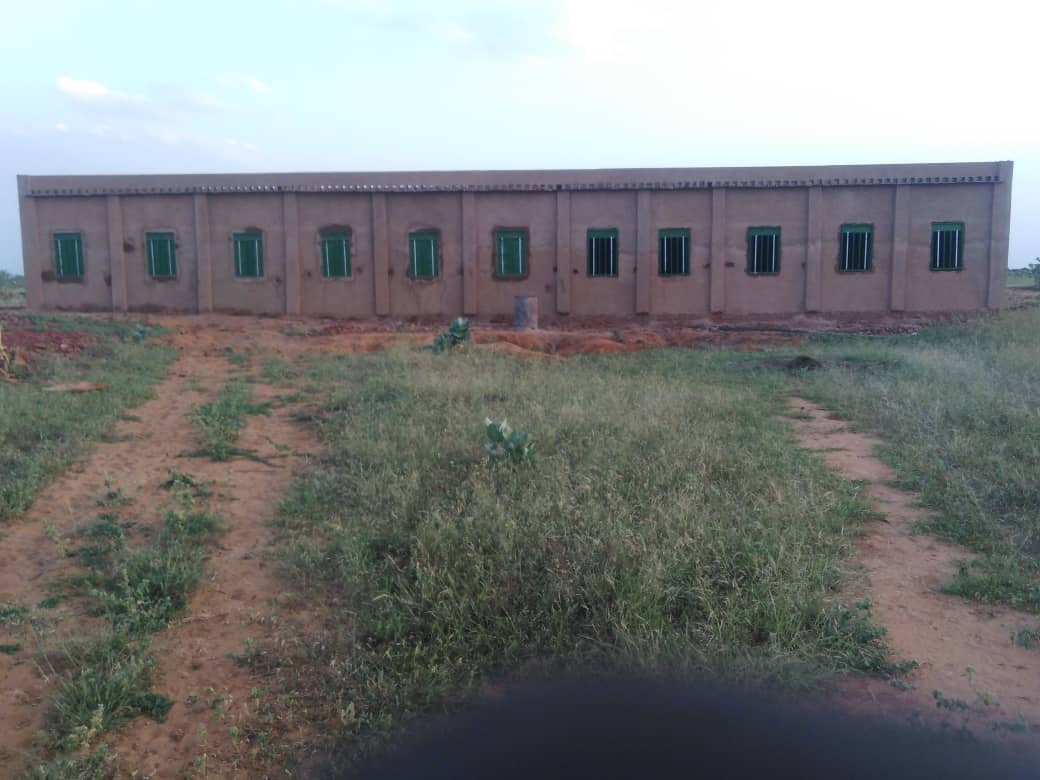
We have obtained a new parcel of land in Gambia with the intention of constructing a vital primary school for children. The closest school to this area is over 30 km distant, and nearly 30% of the local children have not received any formal education. Furthermore, we aspire to establish water wells and implement livelihood programs, including farming and tree plantation initiatives, to support the local population.
Mahboob Azam, 18 November 2023




Empowering Kotaramulla Village, Sri Lanka
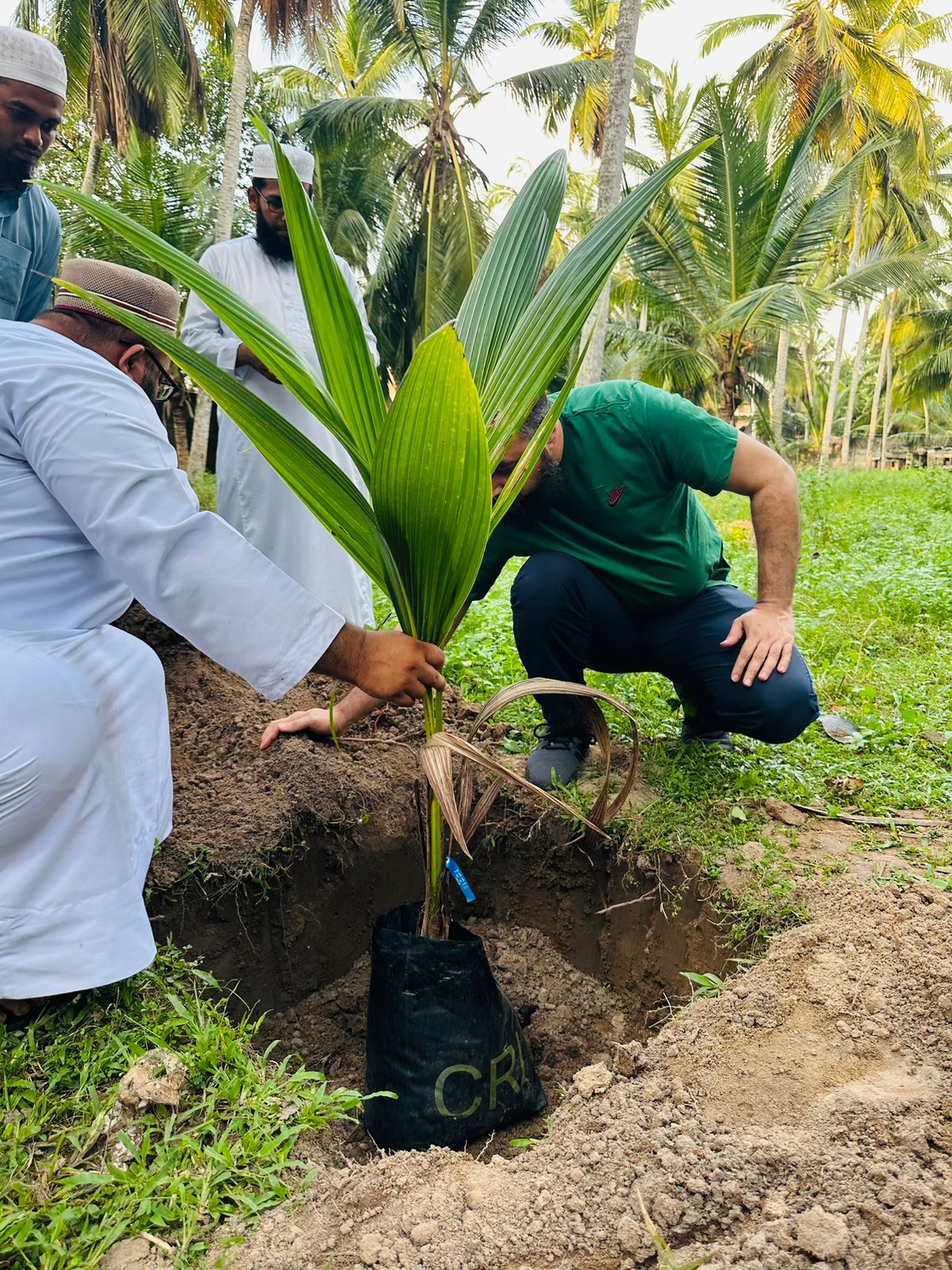
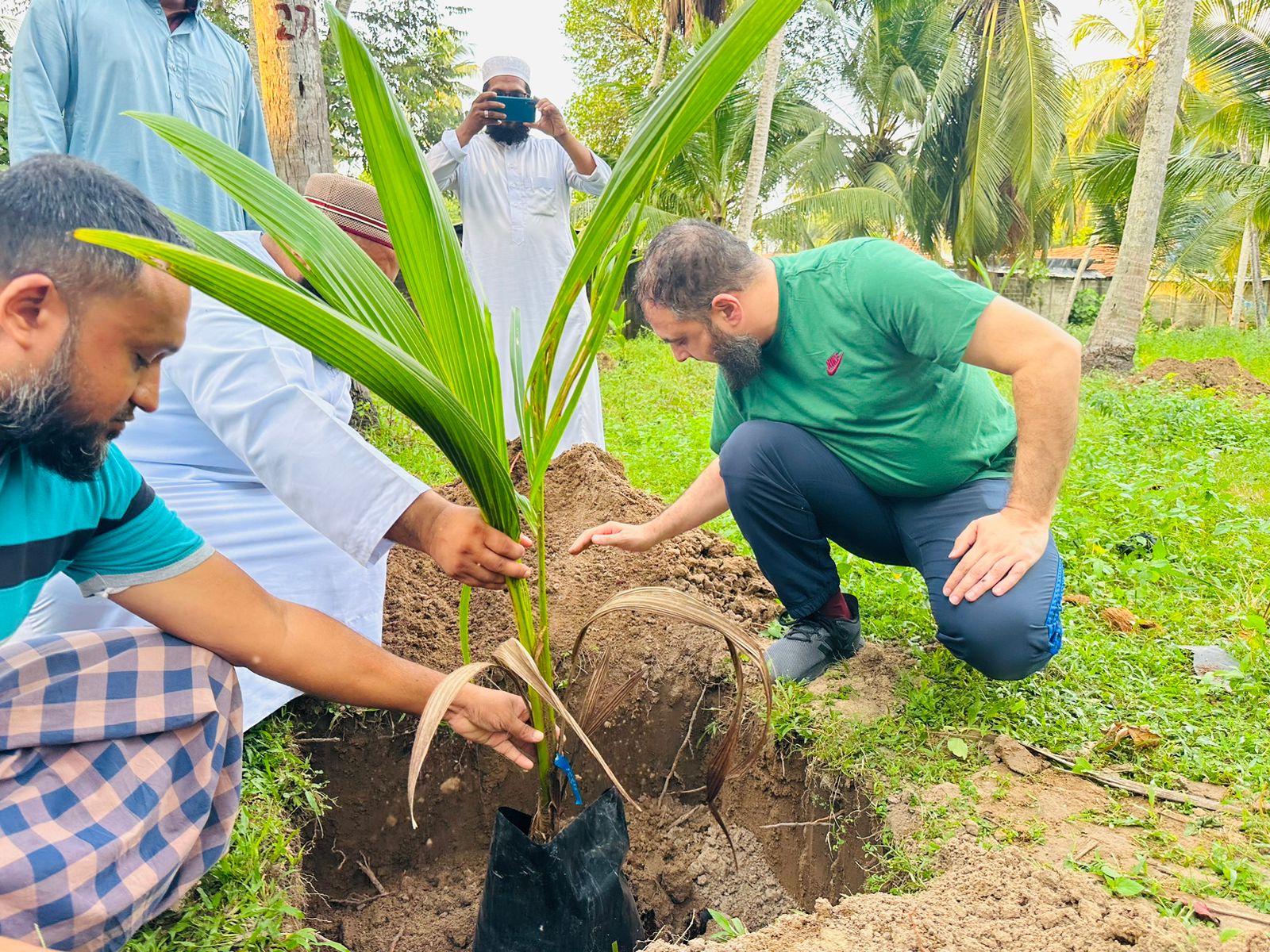
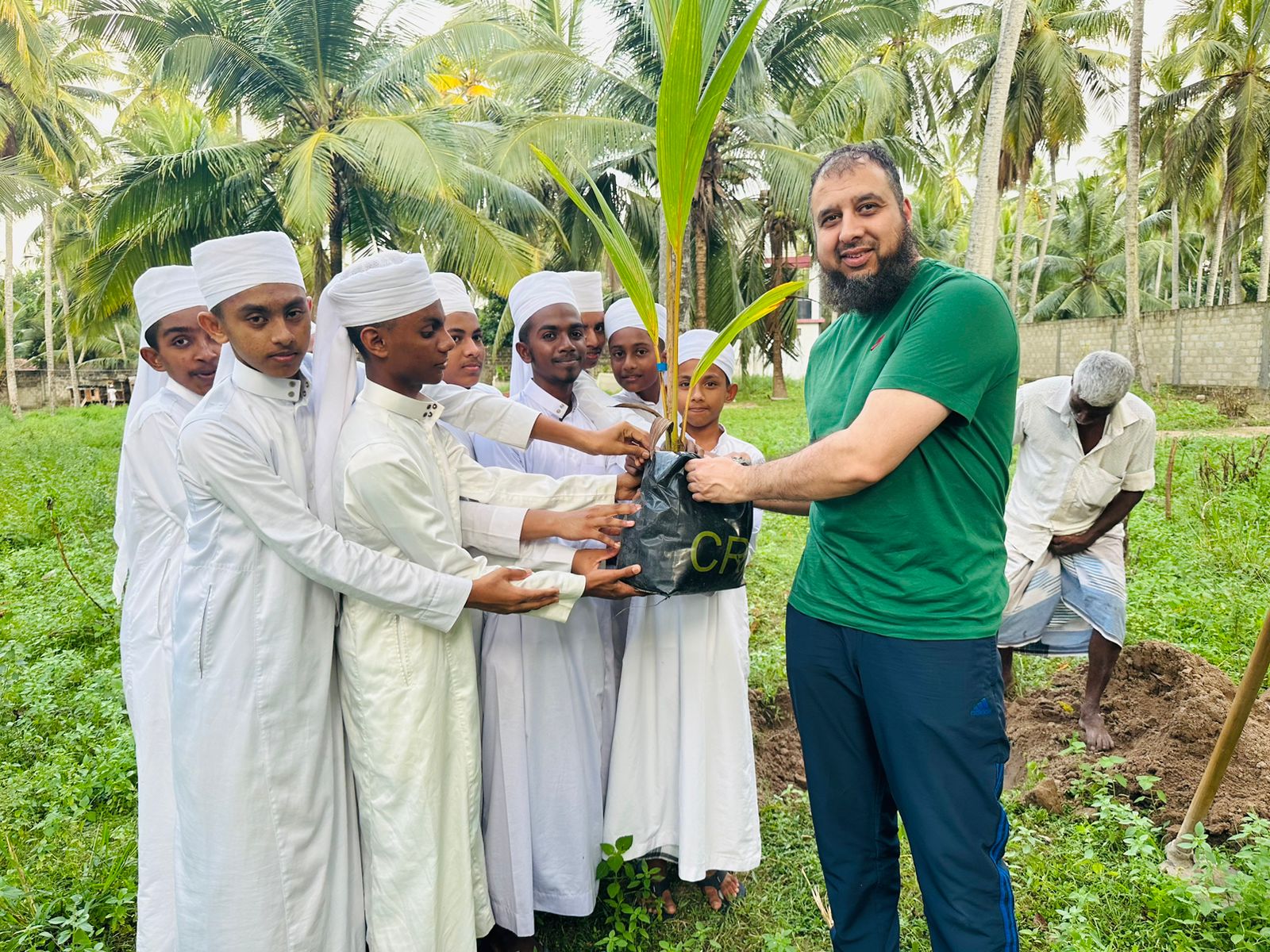
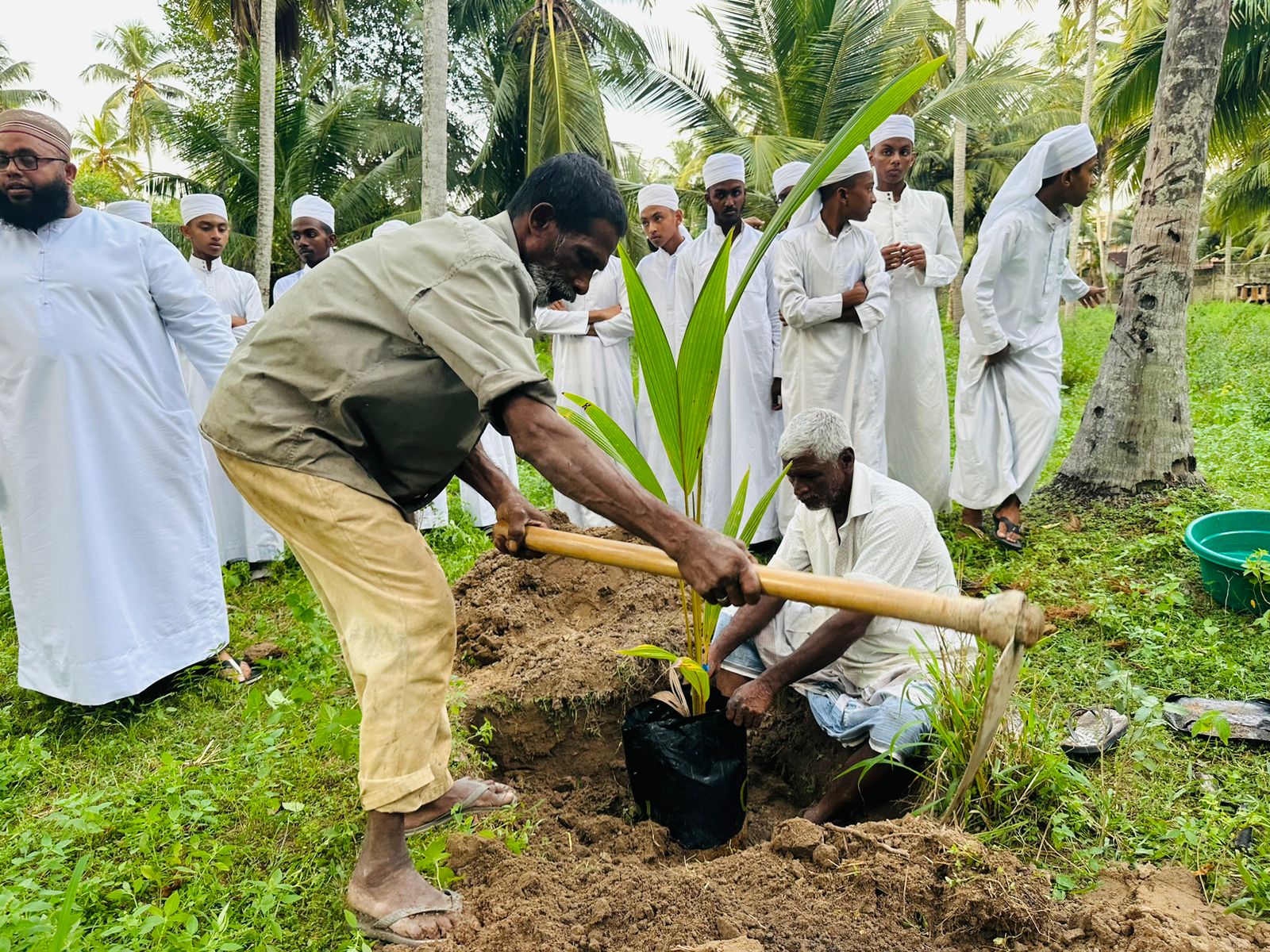
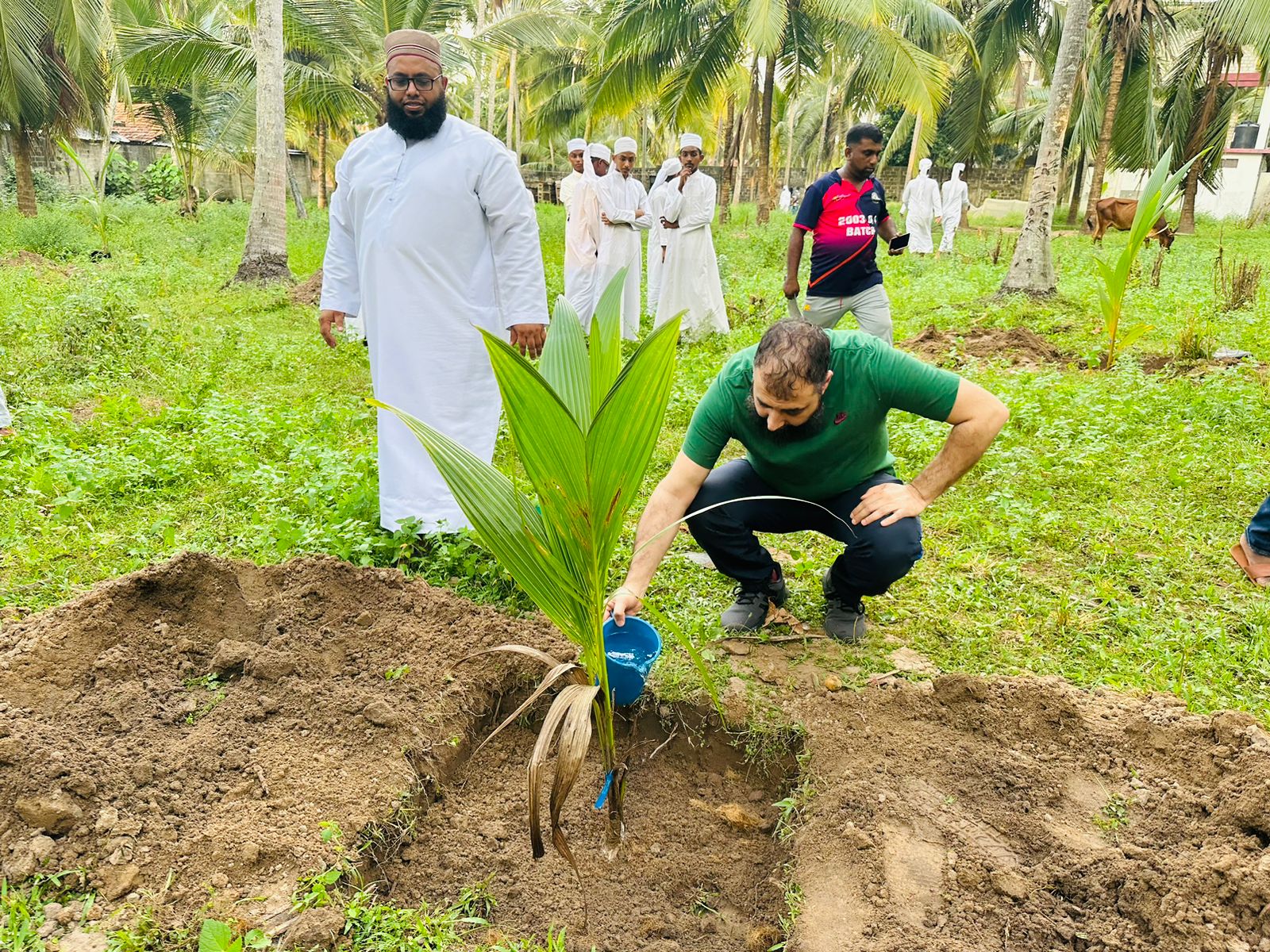
In October 2023, a significant project was successfully implemented in the rural village of Kotaramulla, situated in the Puttlam district of Sri Lanka. This project aimed to bring about positive change for over 150 residents who faced the challenge of limited resources and opportunities. The initiative focused on creating a sustainable pathway towards a better future for this community.
Key Achievements:
Coconut Saplings for Sustainable Growth:
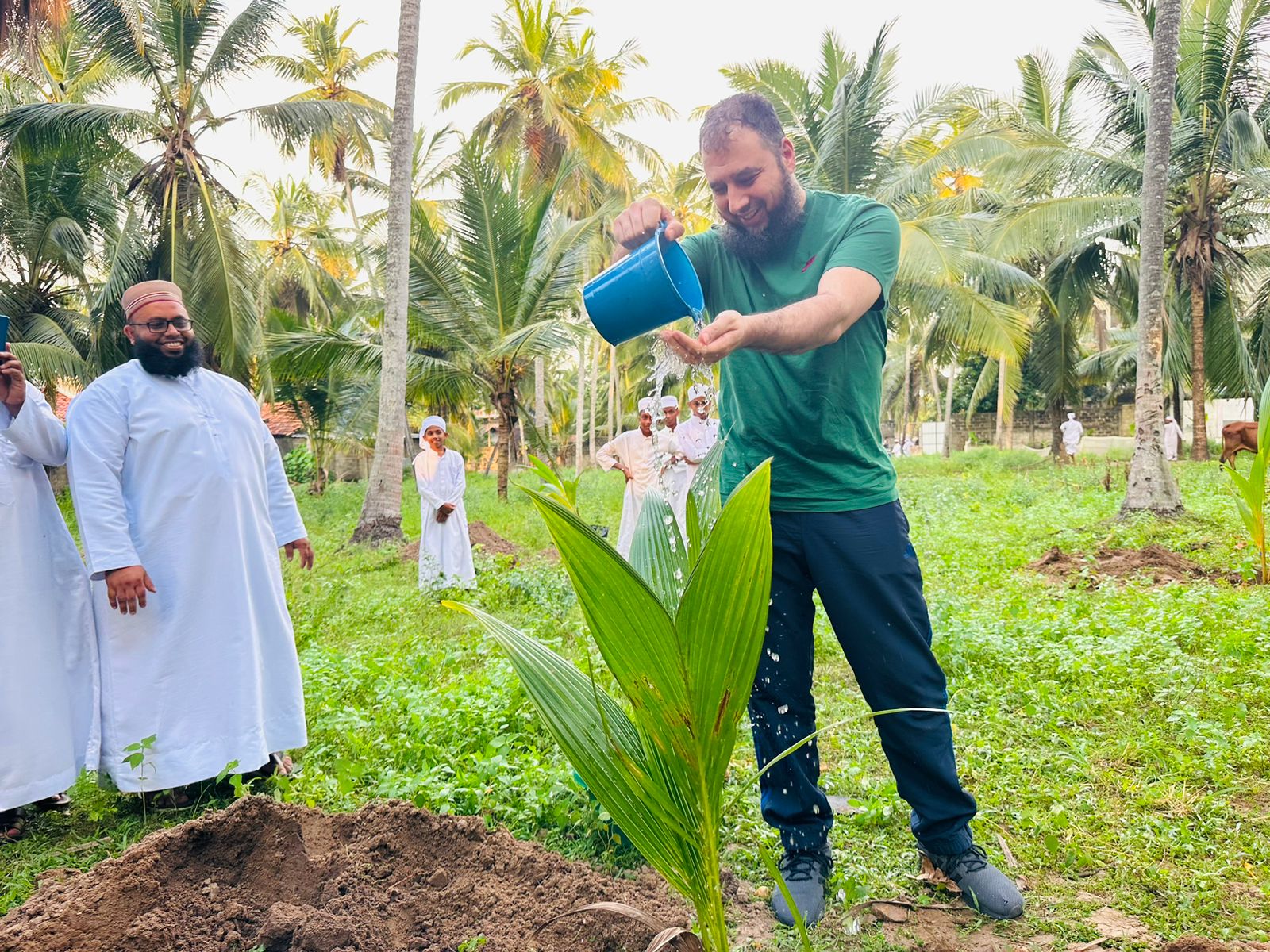
The heart of this project was the distribution of 25 coconut saplings to the residents of Kotaramulla. These saplings laid the foundation for the cultivation of coconut fruit trees, often referred to as the “tree of life.”
Long-Term Yield and Income:
With the planting of these saplings, the village embarked on a journey towards long-term yield and income. Traditionally, it takes four years for coconut trees to yield their initial harvest. After this initial phase, the villagers can collect coconuts every 40 days for more than 12 years from a single tree.
Each coconut tree is capable of producing between 15 to 60 coconuts every 40 days. These coconuts can either be consumed by the community or sold in the local market, fetching between 60 and 90 Sri Lankan rupees per coconut.
Zero Wastage and High Value:
One of the remarkable attributes of coconut trees is their remarkable lack of wastage. Every part of the tree has a valuable use, making it a high-value resource in Sri Lanka.
Even beyond their maturity, coconut trees can serve multiple purposes, including the potential use of their timber for construction or sale to outsiders. Additionally, any waste material can be utilized as firewood, ensuring that nothing goes to waste.
Multi-Use and High Demand:
Coconut trees are known for their versatility, making them highly sought-after in this region. Their multi-use nature and ability to cater to various needs create a consistent and significant demand.
Positive Impact on Climate Change:
Beyond their immediate economic benefits, these coconut trees contribute positively to the climate change crisis. Their ability to sequester carbon dioxide and prevent soil erosion adds an ecological dimension to this project, further benefiting the environment and the community.
The implementation of this project marked a pivotal moment for Kotaramulla and its residents. By planting 25 coconut saplings, we provided the community with hope, self-sufficiency, and the potential for a brighter future. These trees symbolize resilience, positive change, and the ability to create a sustainable and prosperous environment for both the community and the world at large. Through this initiative, we have sowed the seeds of transformation, leaving a lasting legacy in the lives of the Kotaramulla residents and the surrounding ecosystem.



Azam Education Institute School One:
Empowering Needy Communities with Primary Education
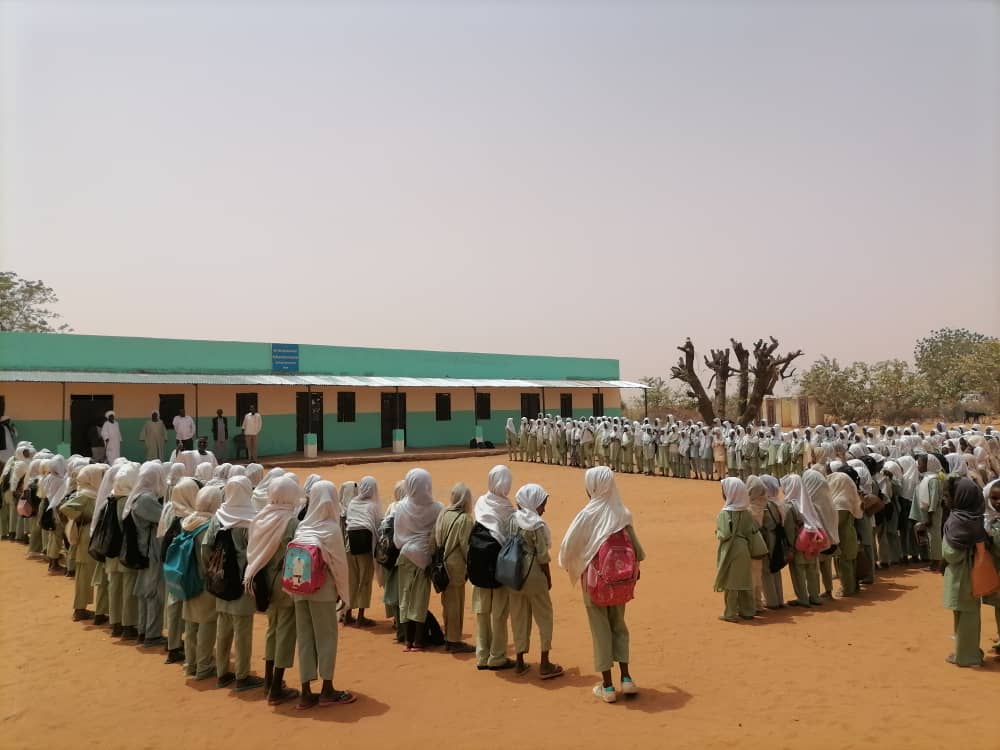
Azam Education Institute School One, established in 2017 in Sudan by Mahboob Azam, is deeply committed to delivering primary education to those in critical need. This endeavour stems from a thorough needs assessment, shedding light on the educational challenges facing the local community.
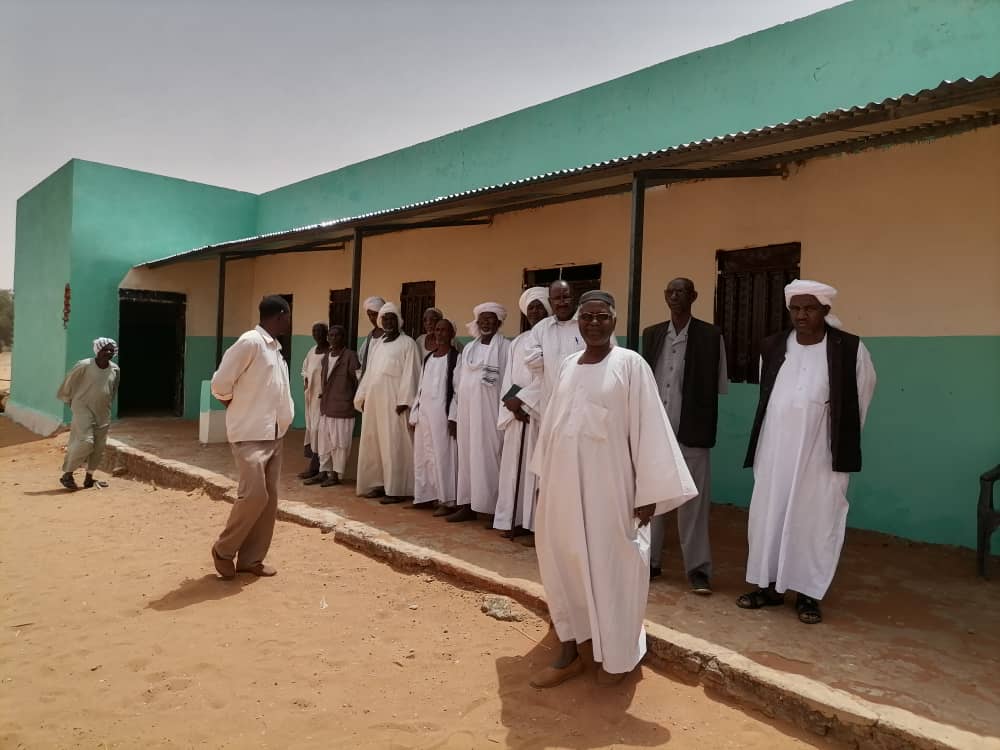
Our primary school’s inaugural campus is situated in Wad Sabil village, within the jurisdiction of the Central Om-Ruwaba Rural District. Located approximately 30 kilometres from Om-Ruwaba, one of the prominent cities in western Sudan, Wad Sabil is home to approximately 1,200 families, encompassing around 6,000 individuals predominantly engaged in farming and sheep breeding.
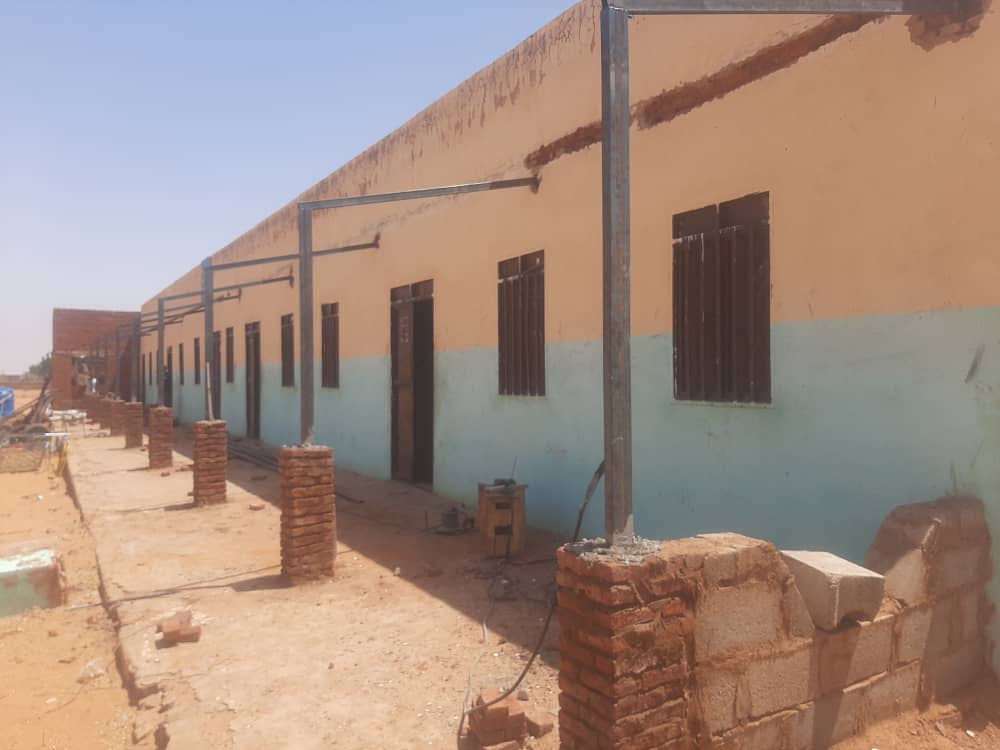
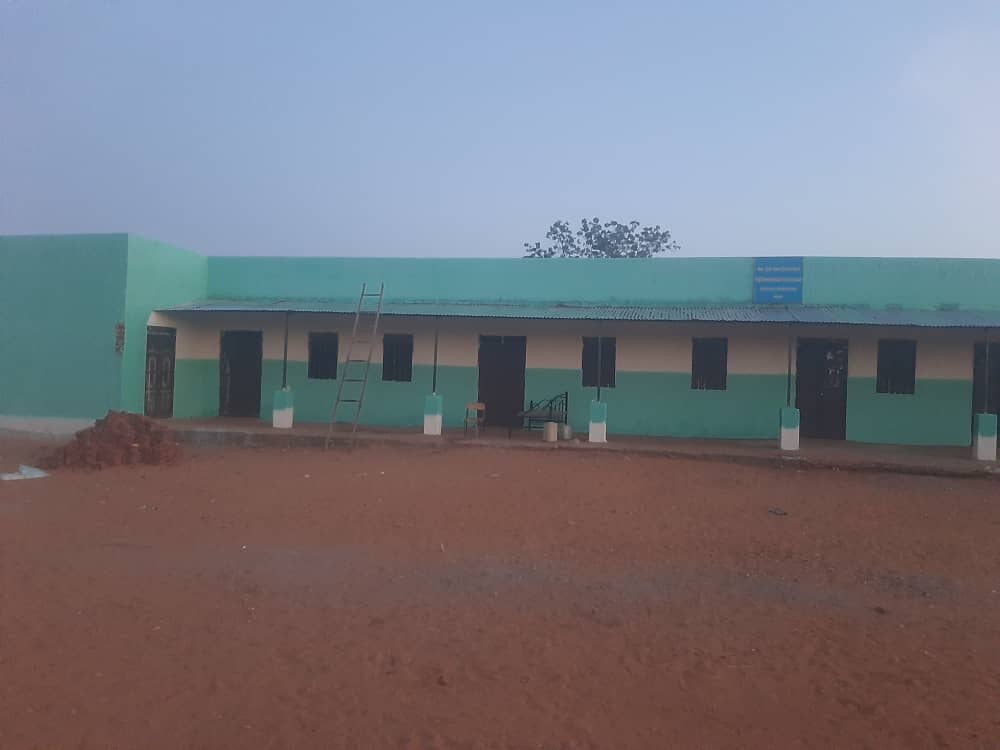
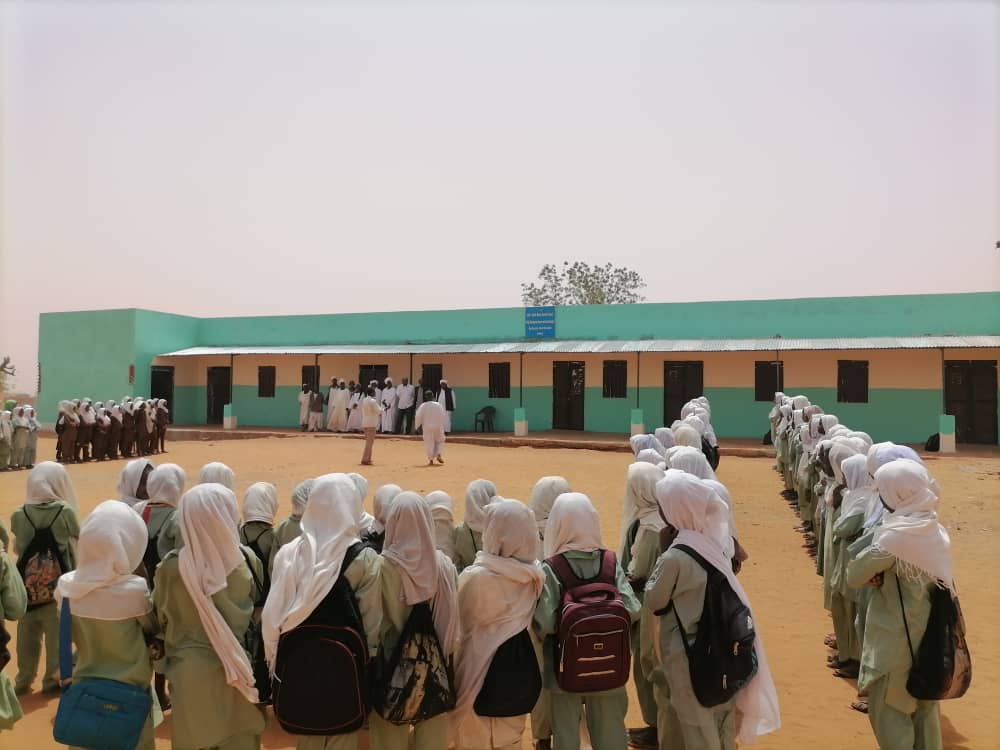
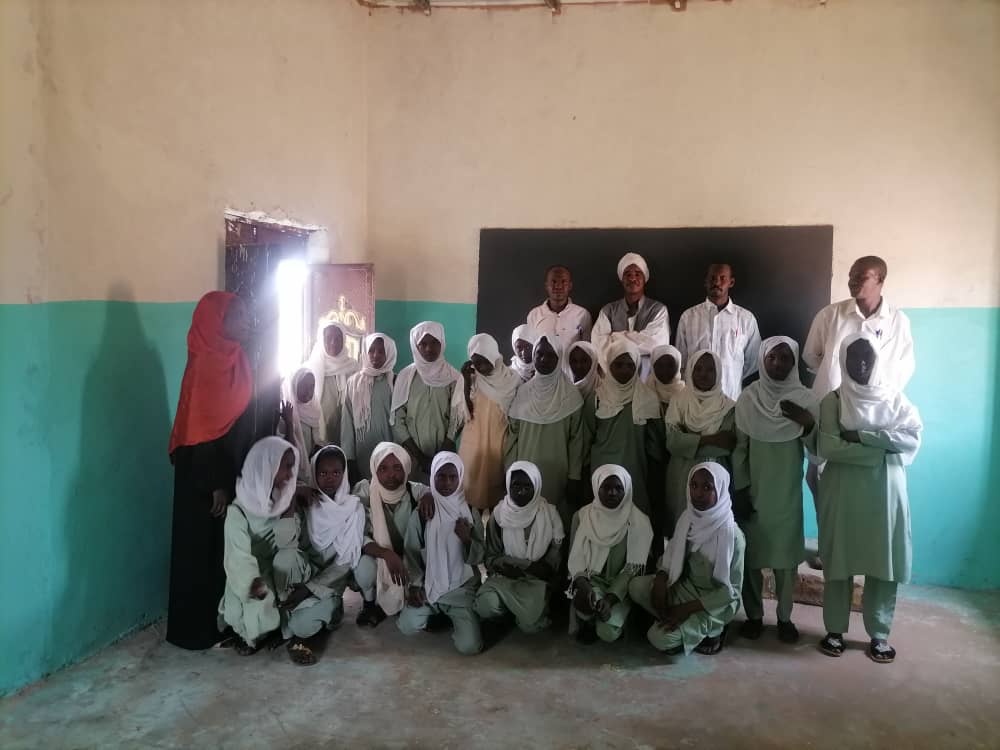
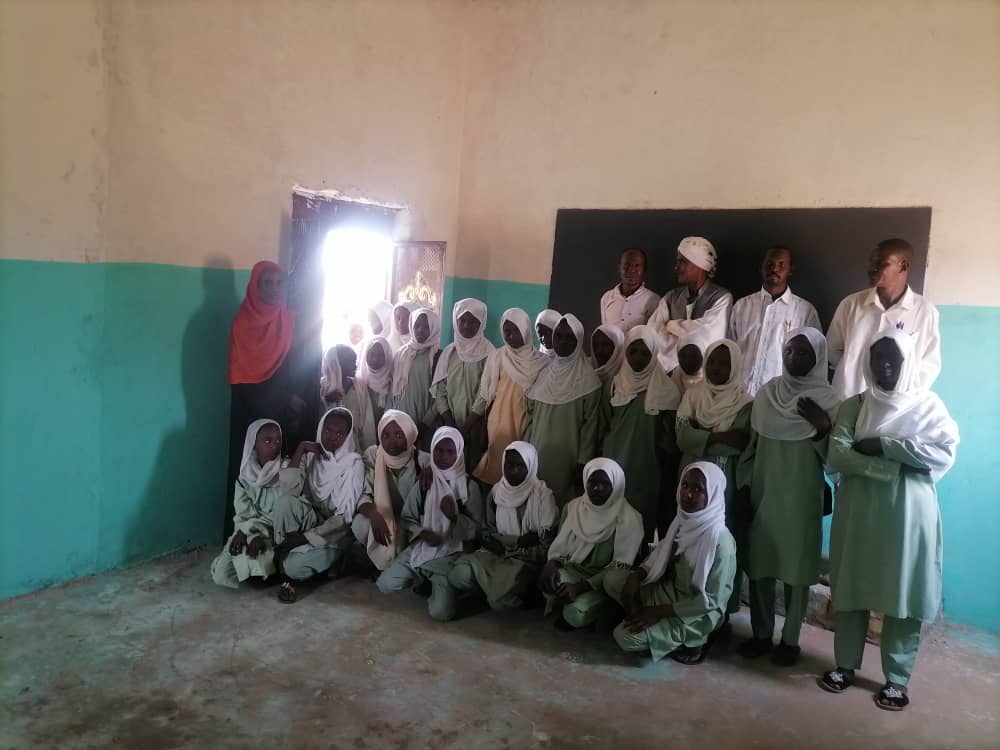
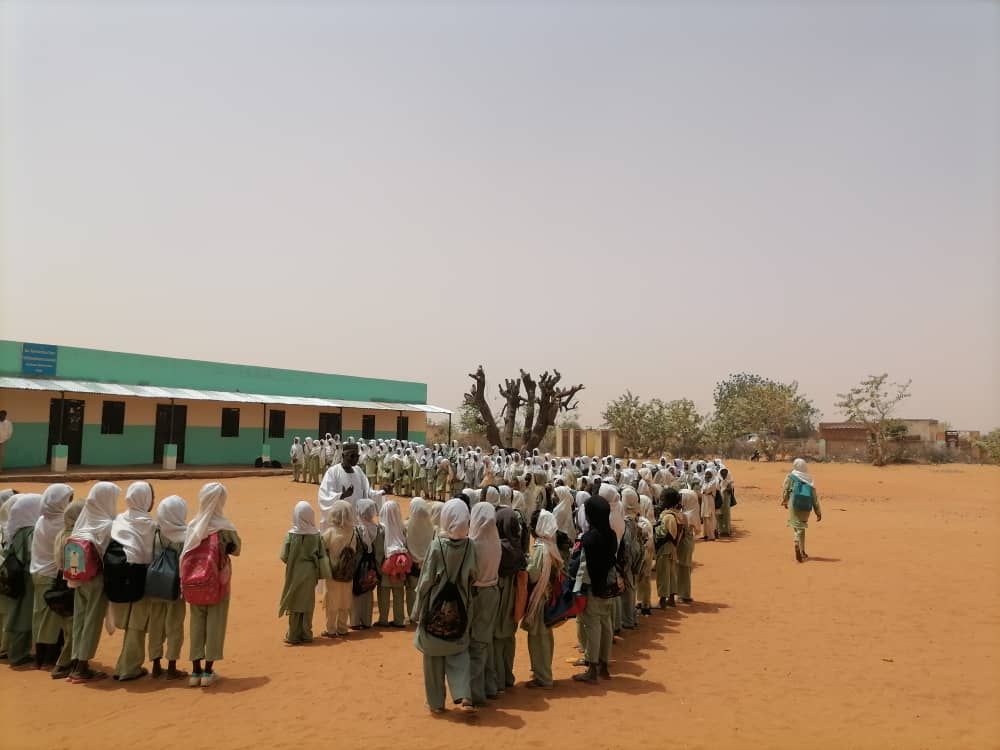
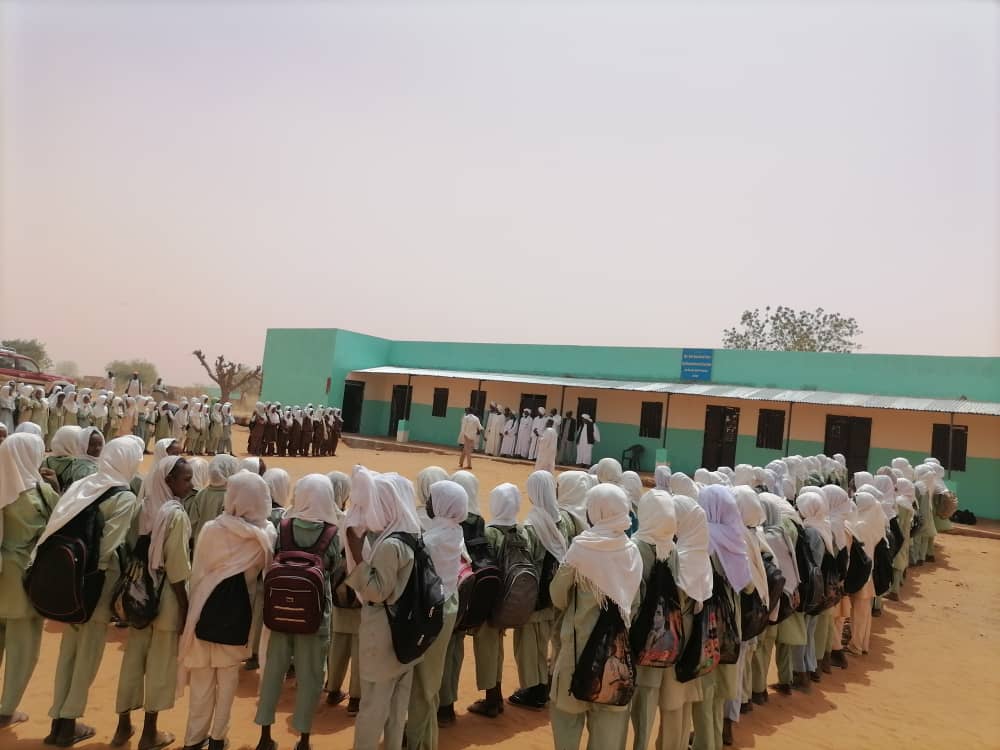
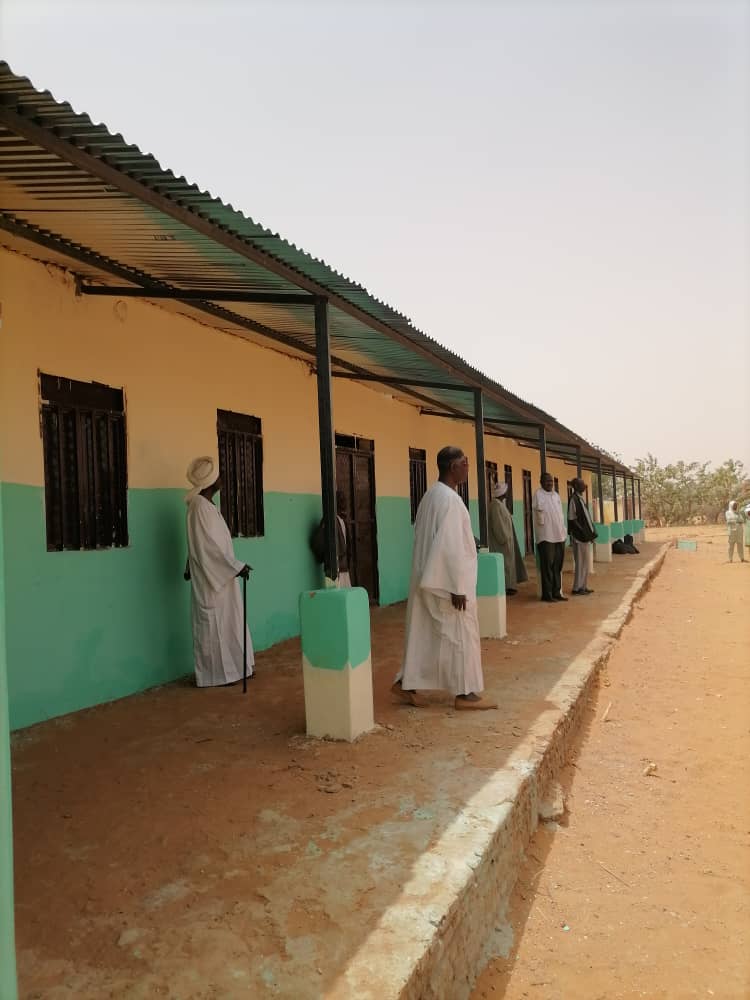
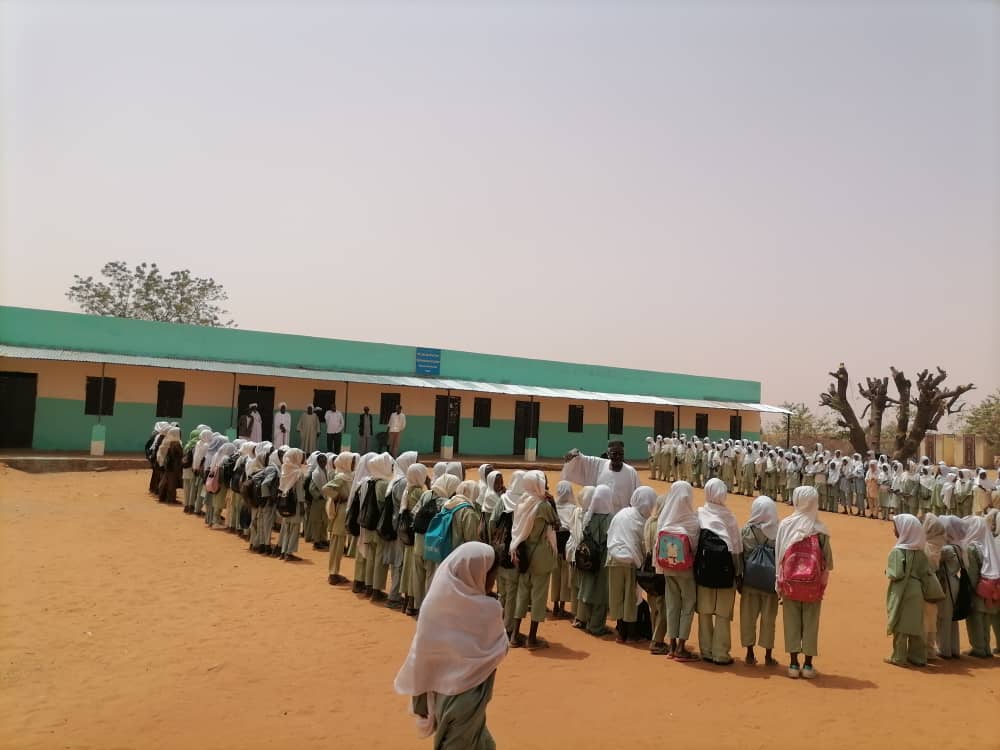
Prior to the establishment of Azam Education Institute School One, the village had a single co-educational primary school. The introduction of Azam’s School heralded a transformative shift. Girls from the pre-existing school were relocated to Azam Education Institute School One, while the original institution transitioned to serving male students exclusively. Our establishment, equipped with five classrooms and two offices, now provides primary education to 360 female students. It has also evolved into a pivotal examination centre for the Basic/Primary certificate, benefiting not only Wad Sabil but also the neighbouring villages.
Azam Education Institute School Two:
A New Chapter in Mishailaekh Village
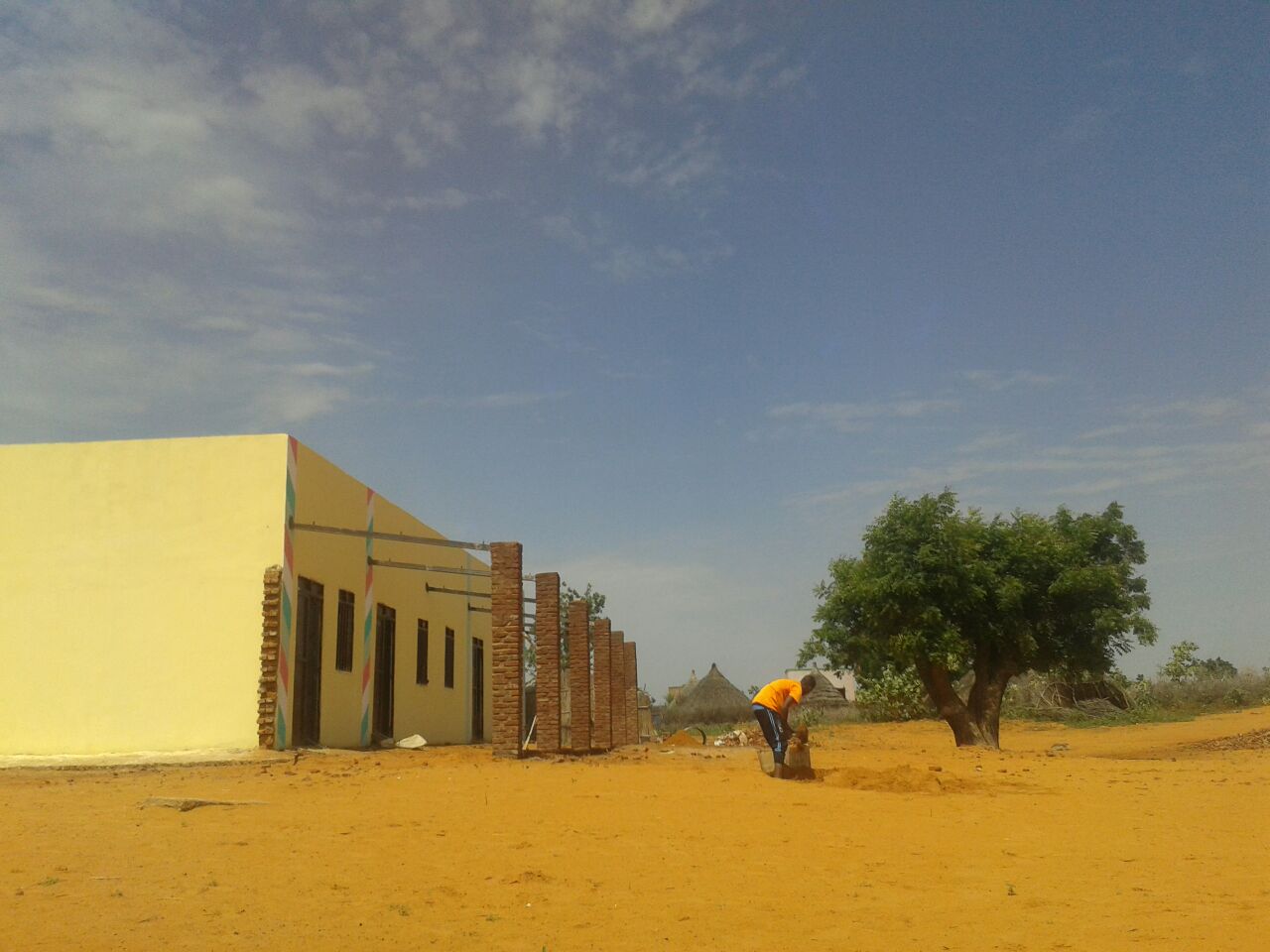
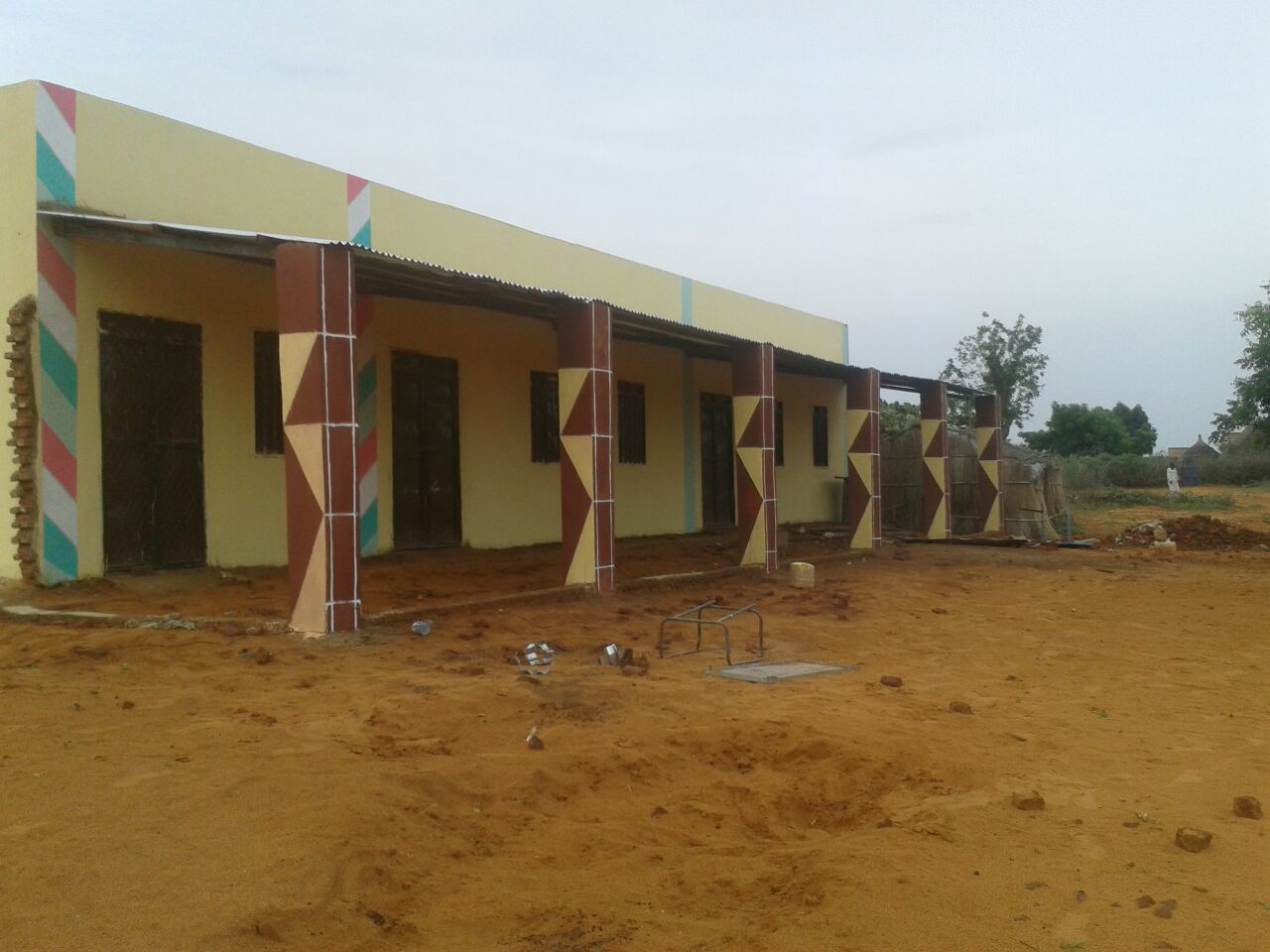
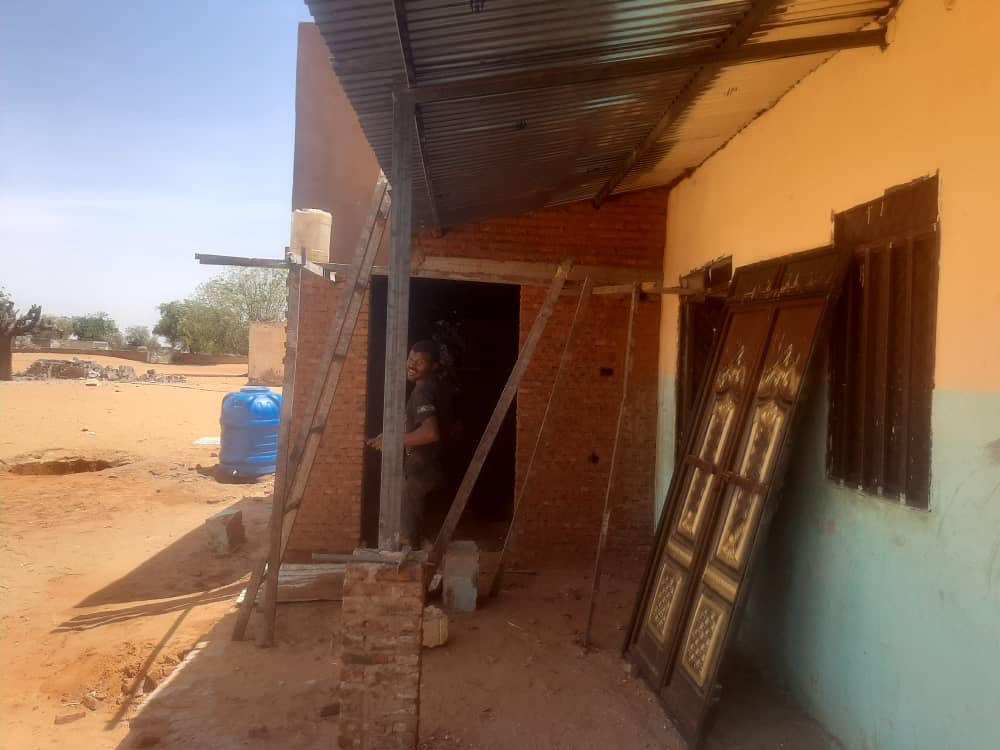
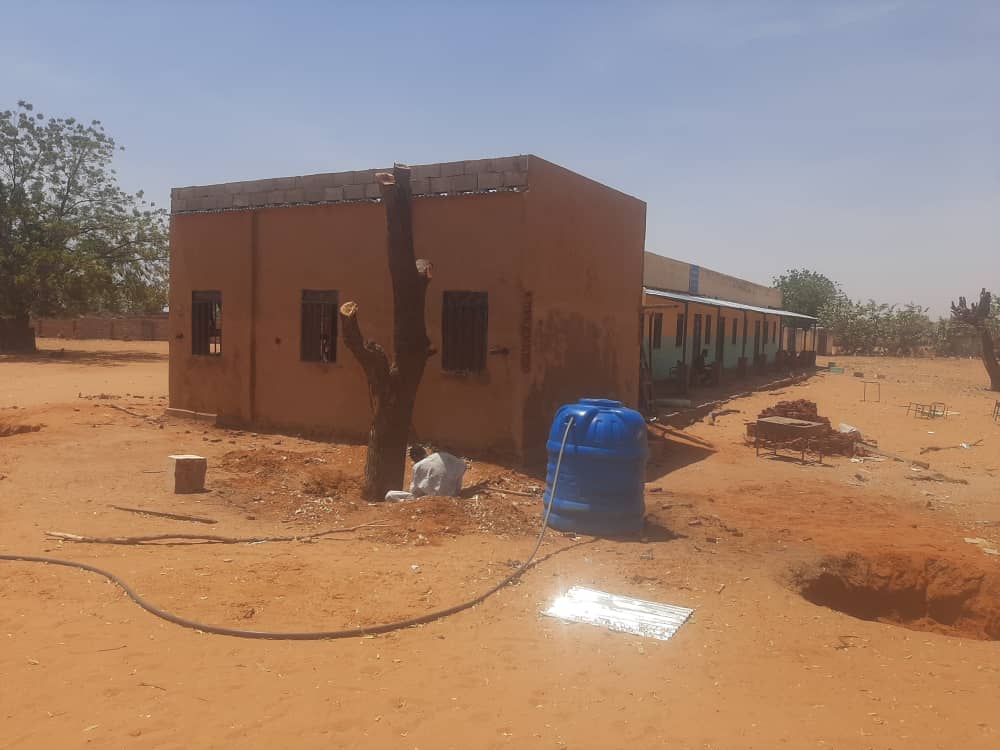
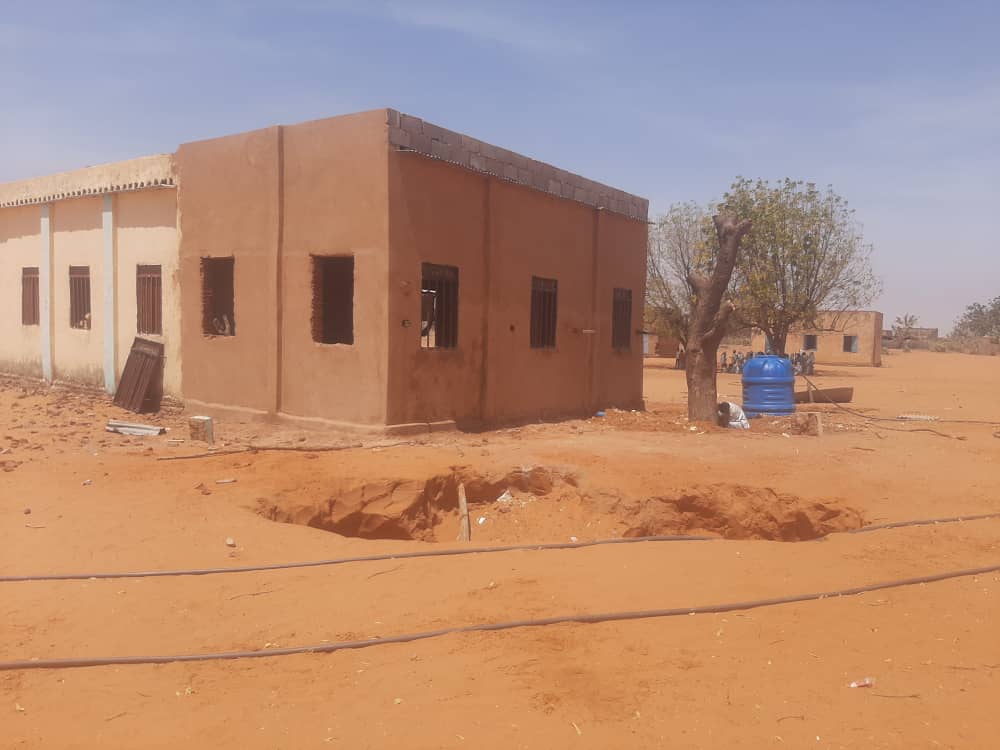
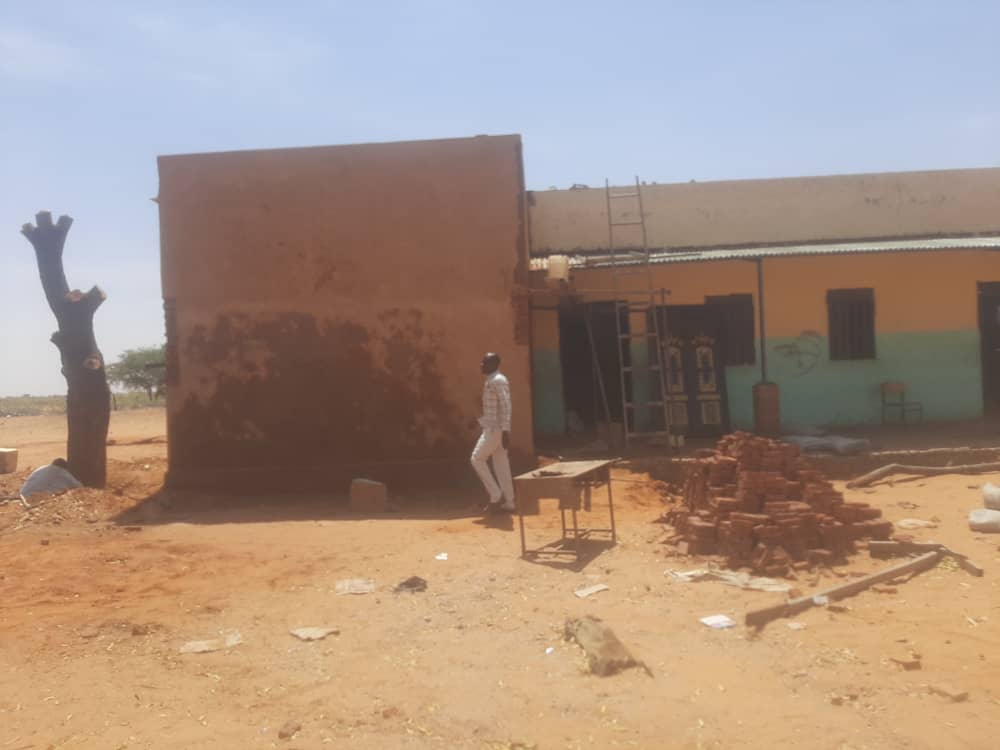
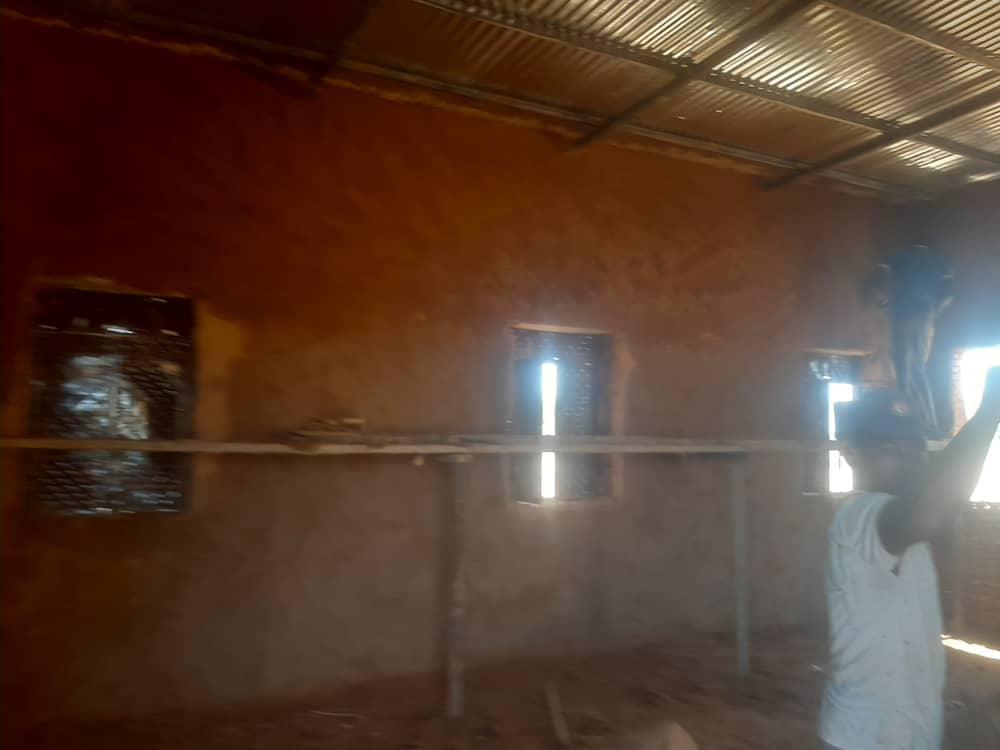
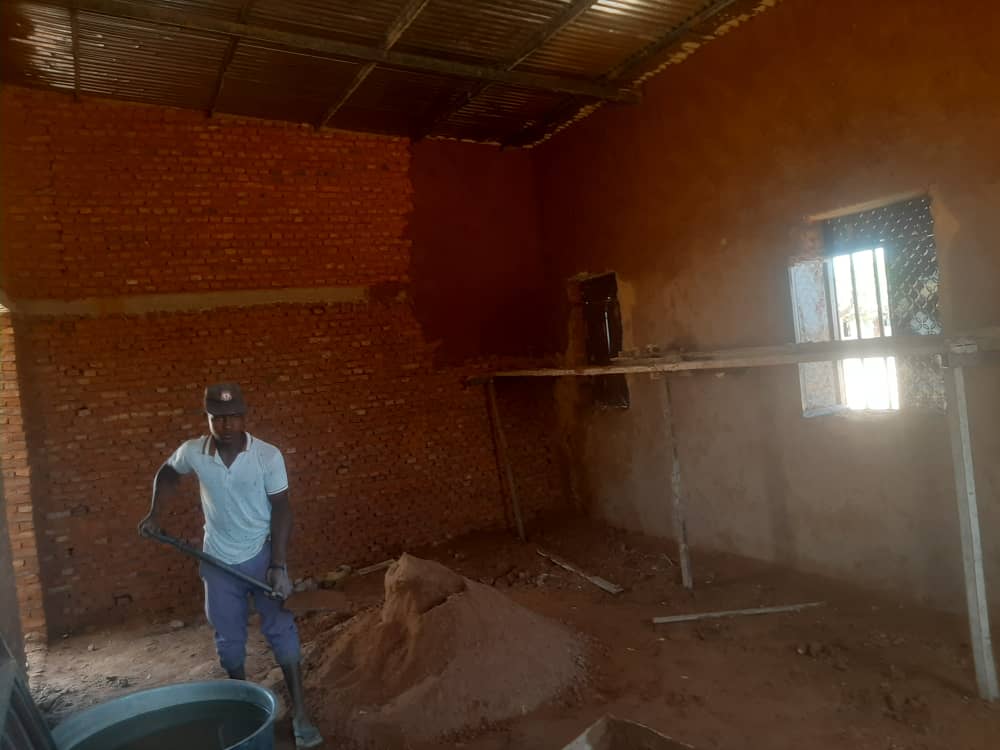
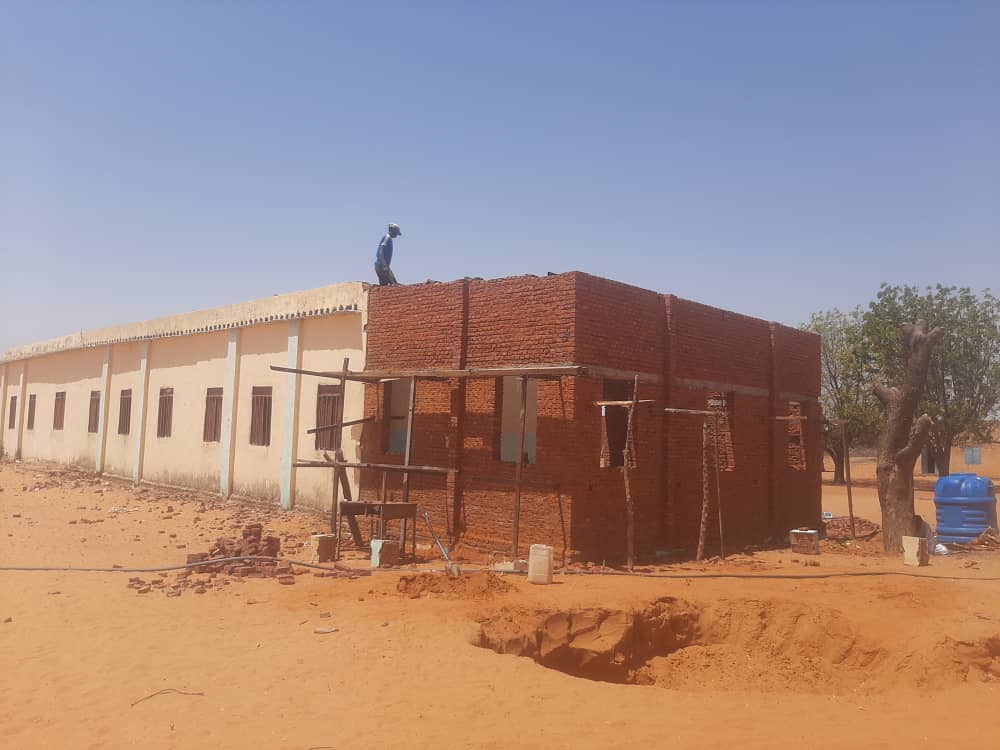
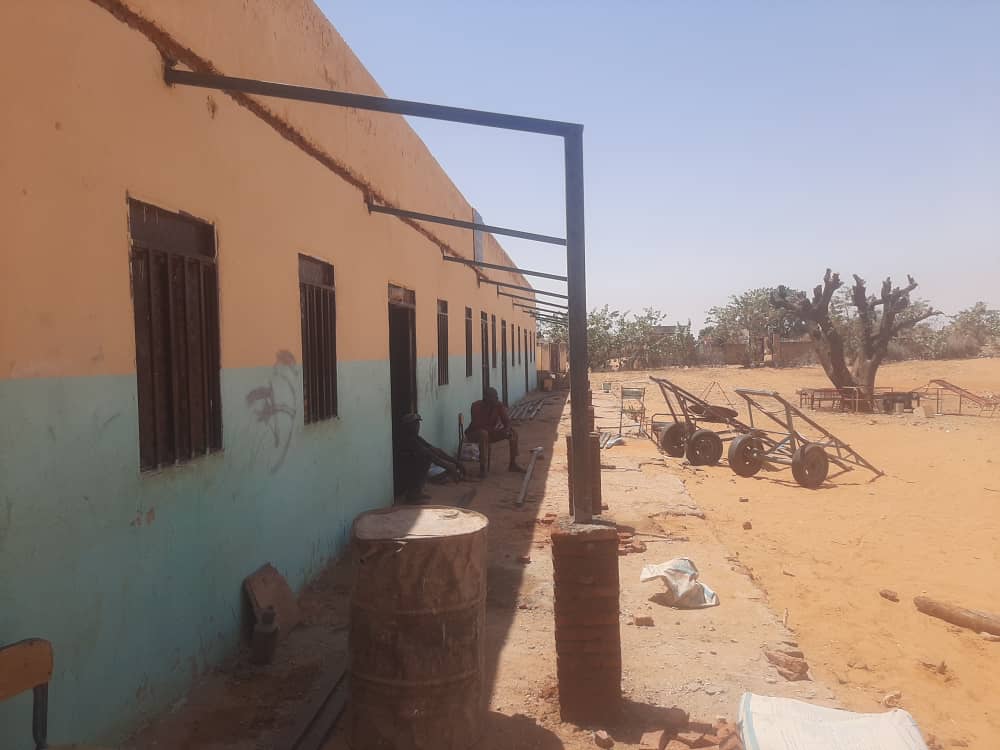
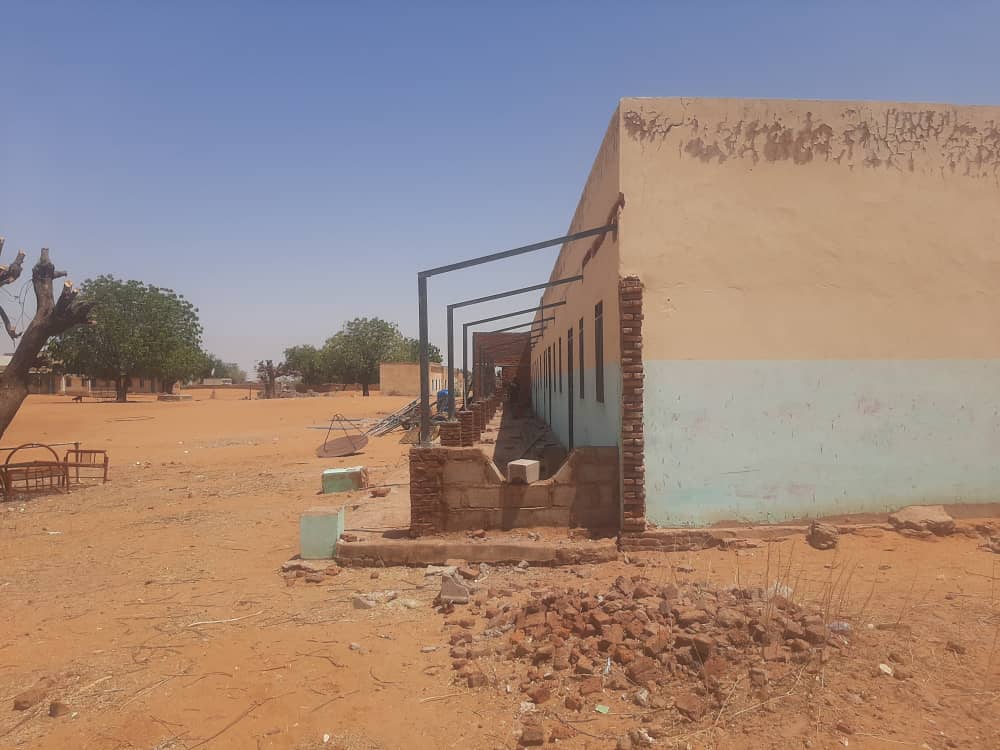
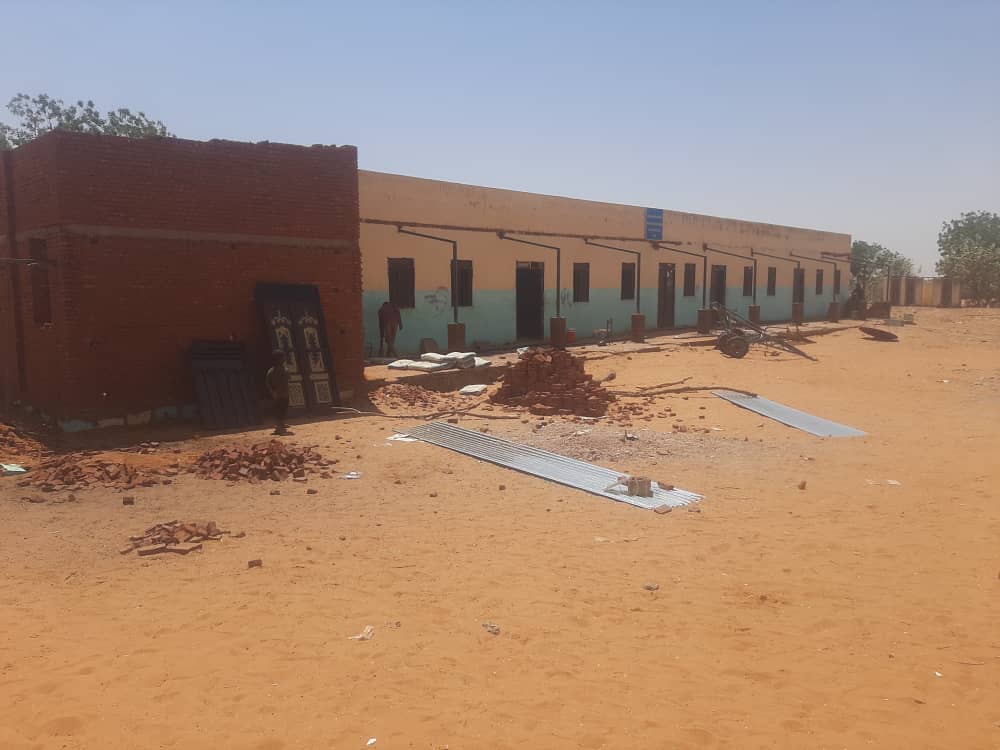
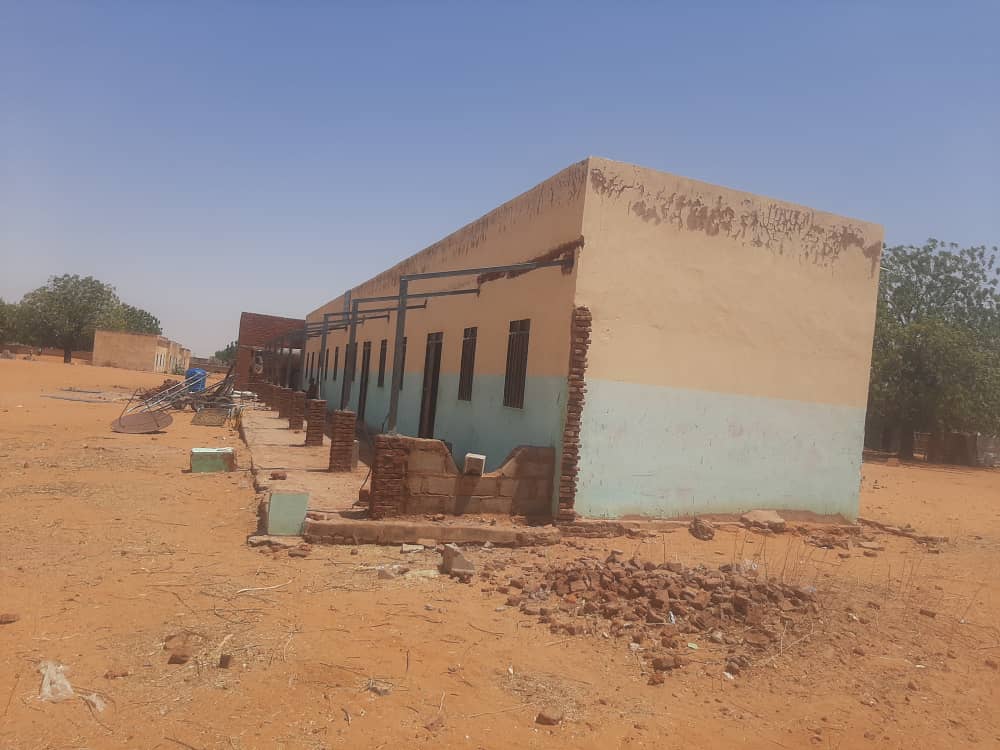
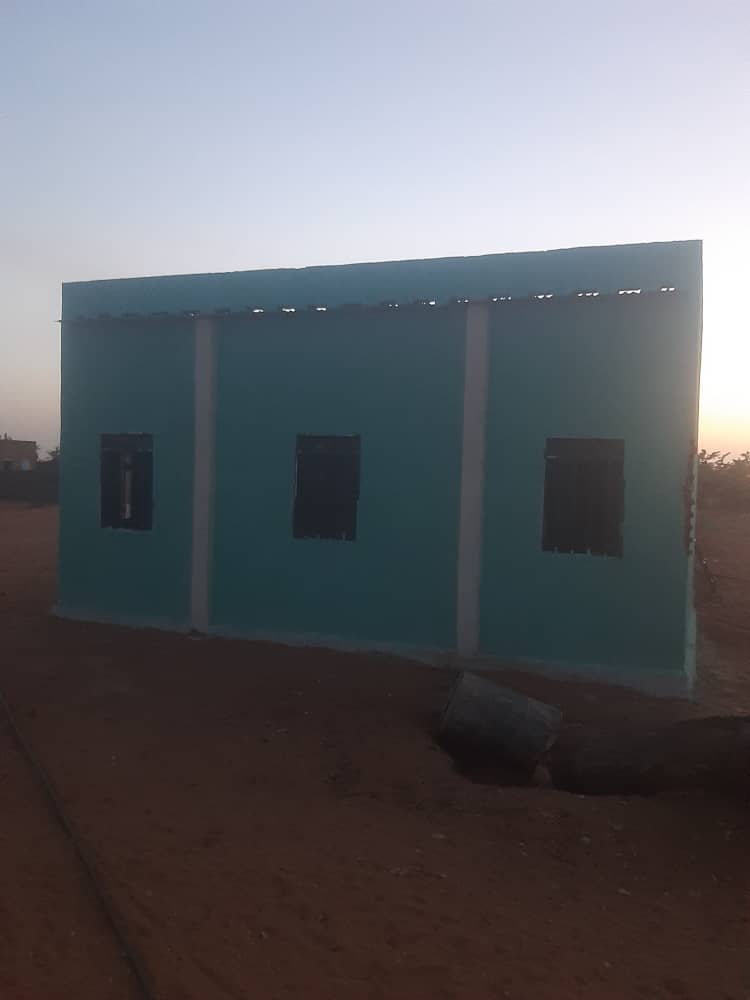
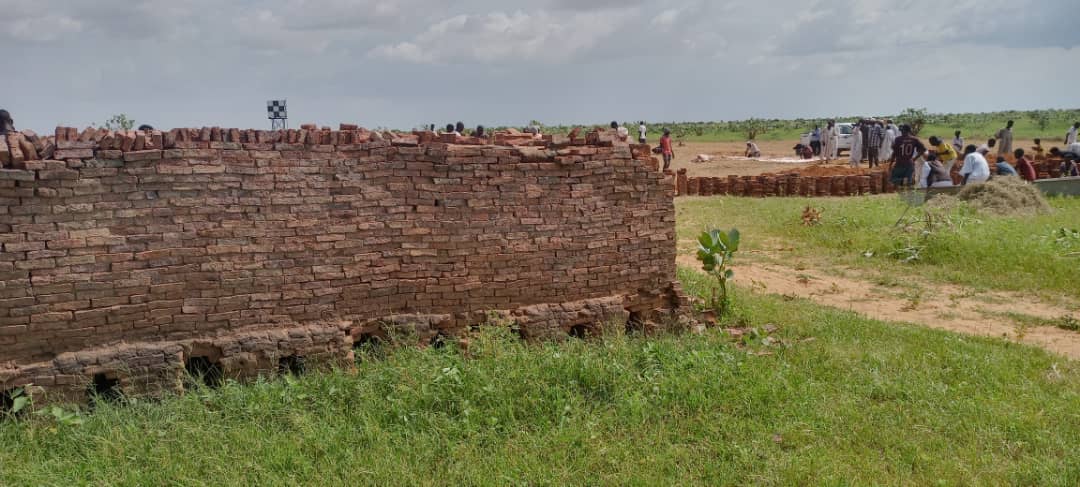
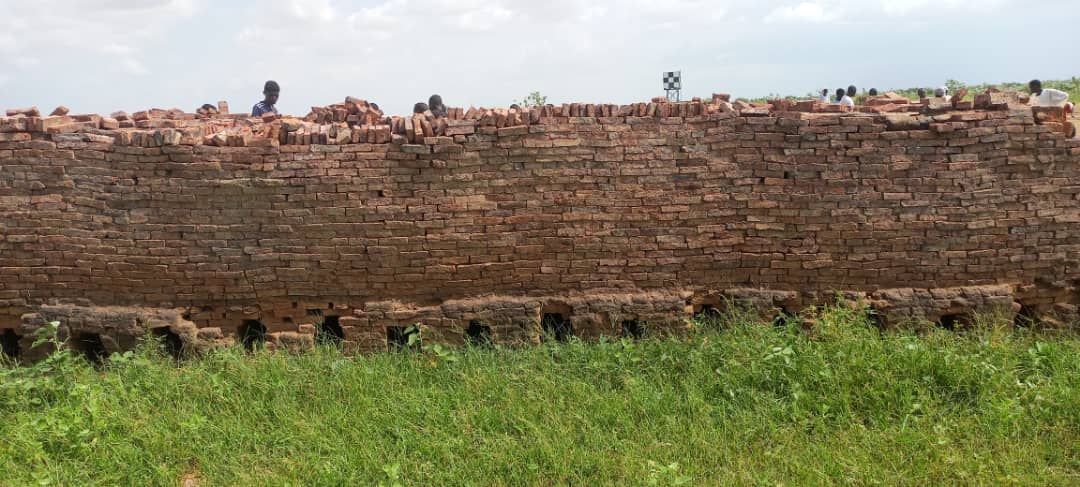
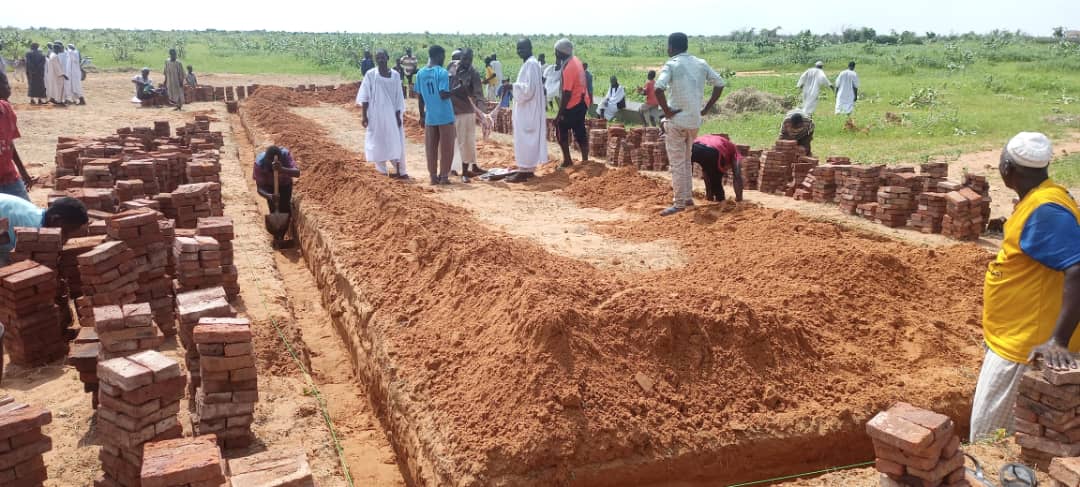
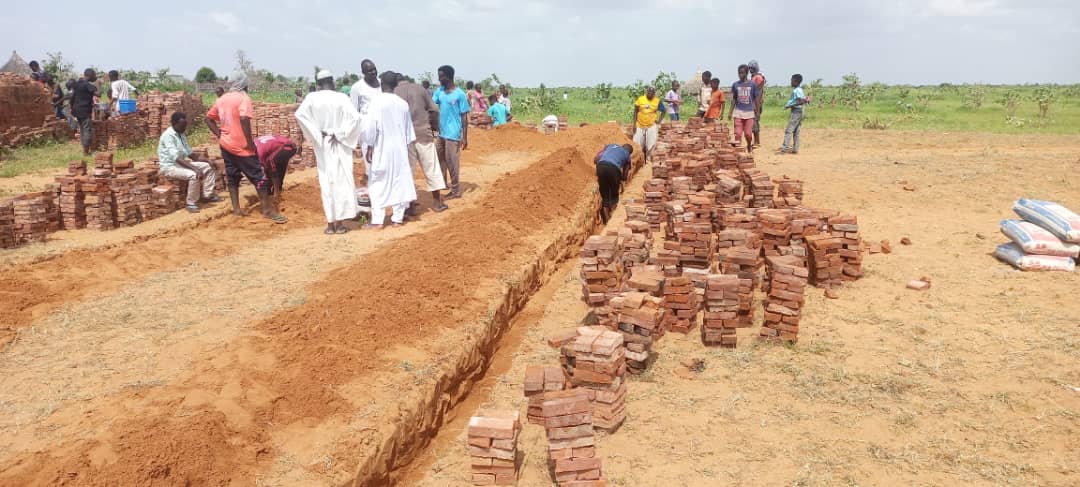
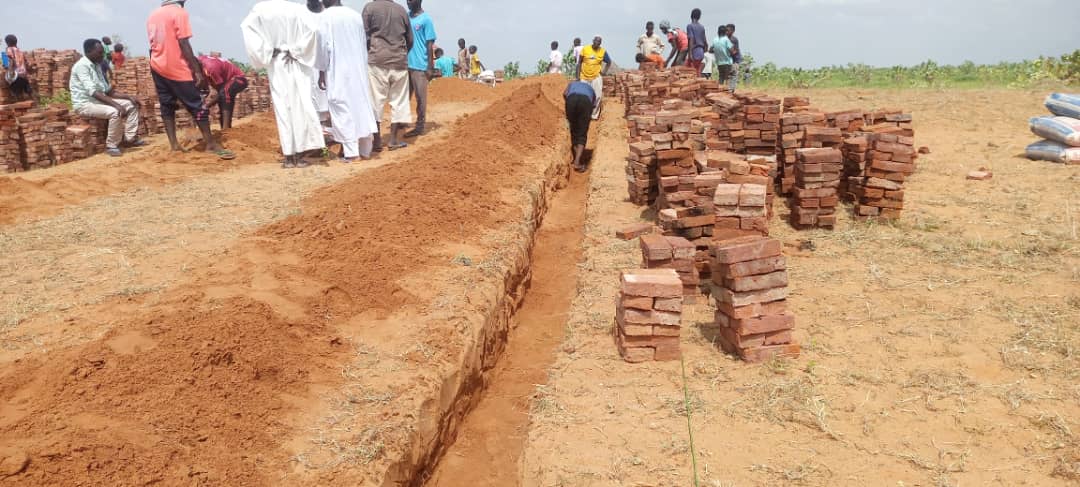
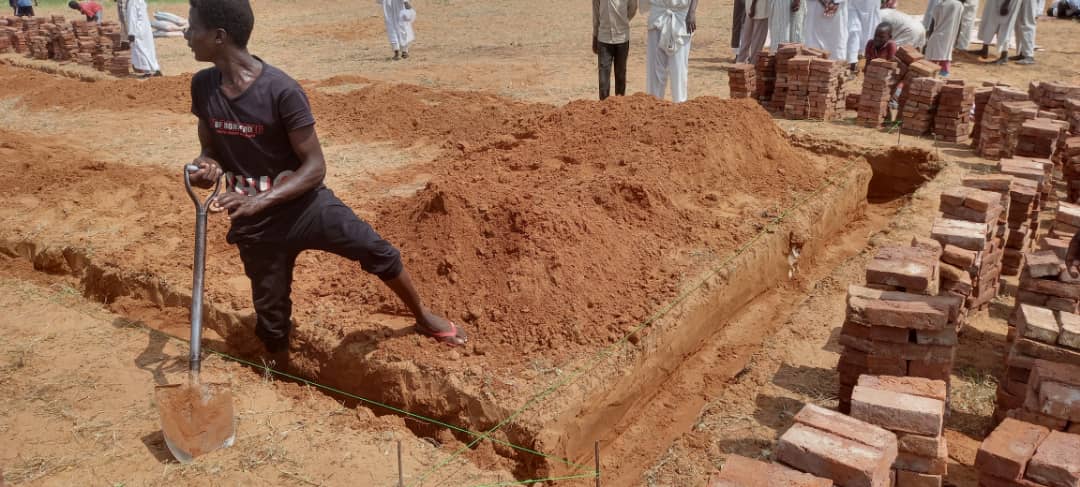
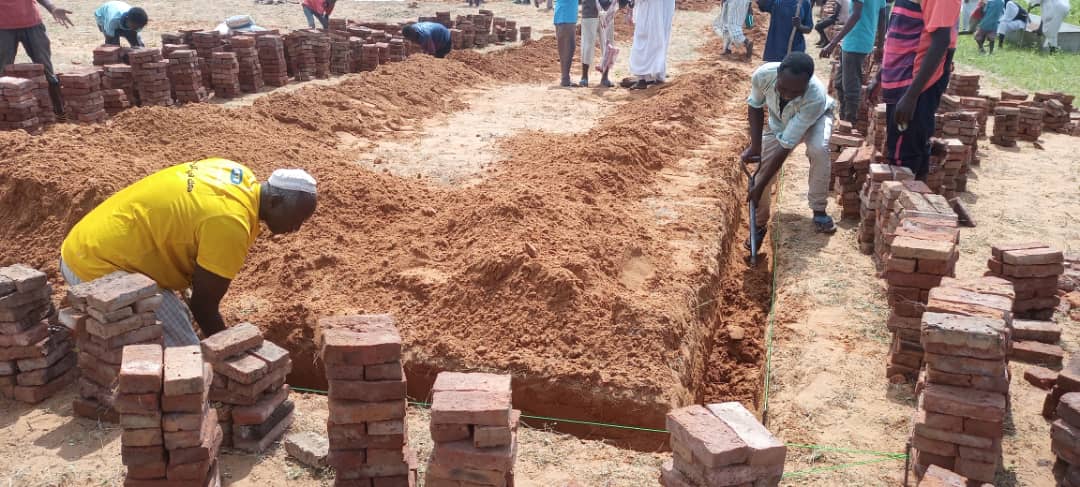
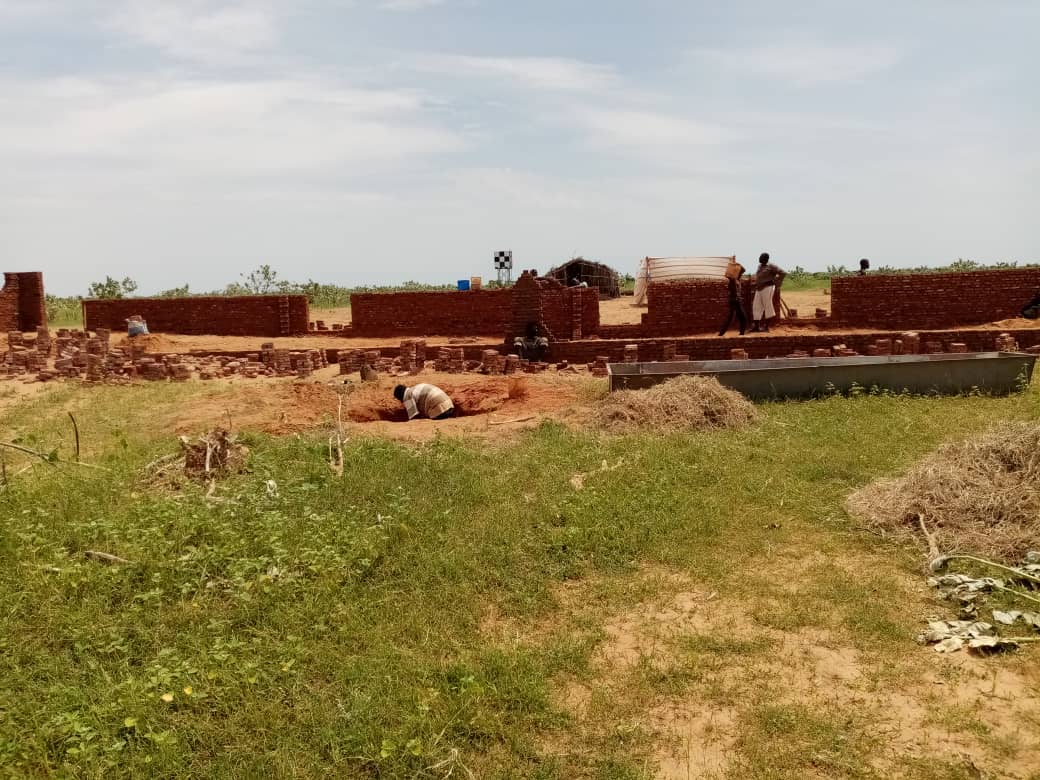
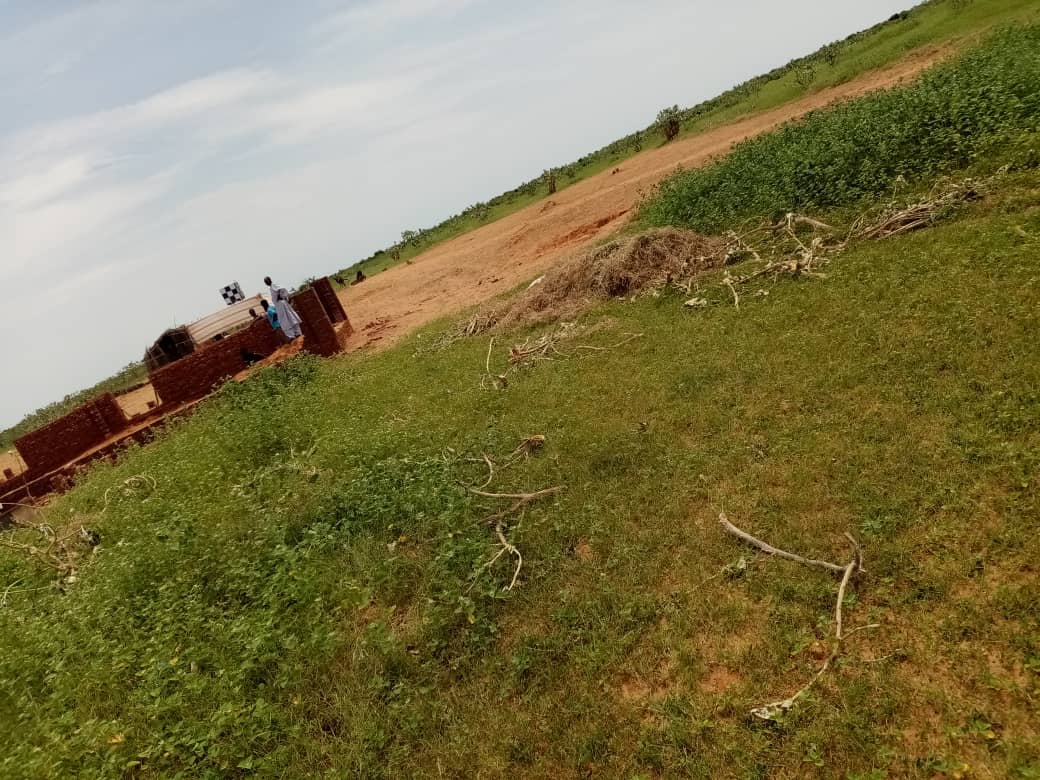
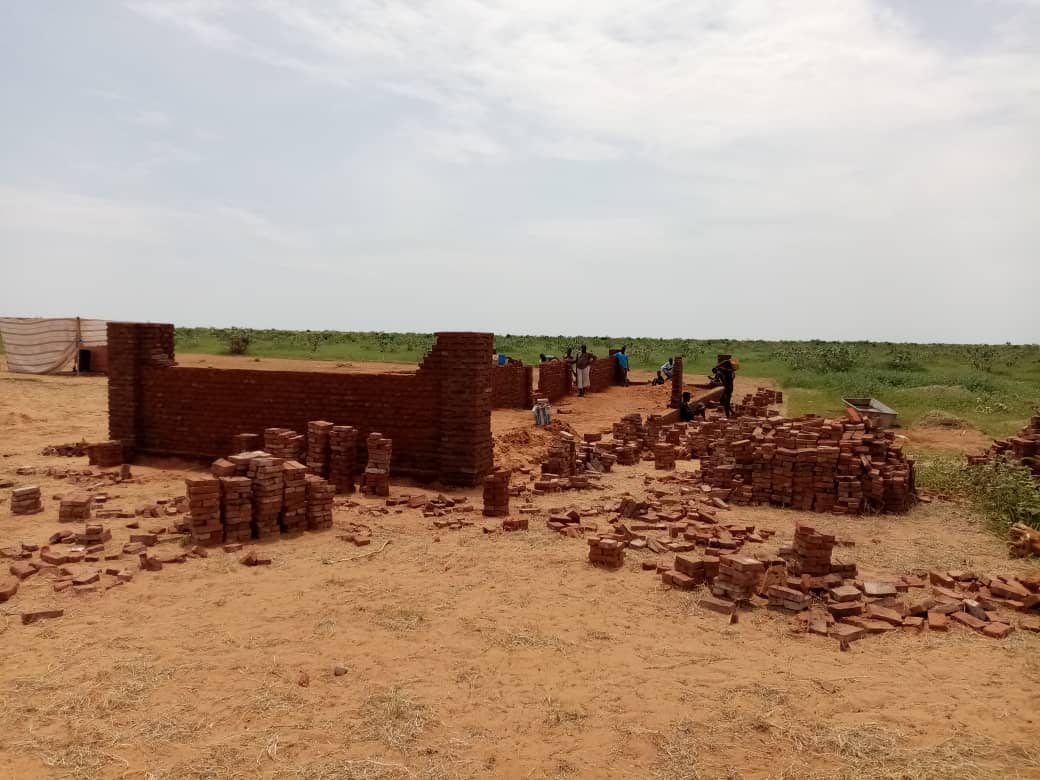
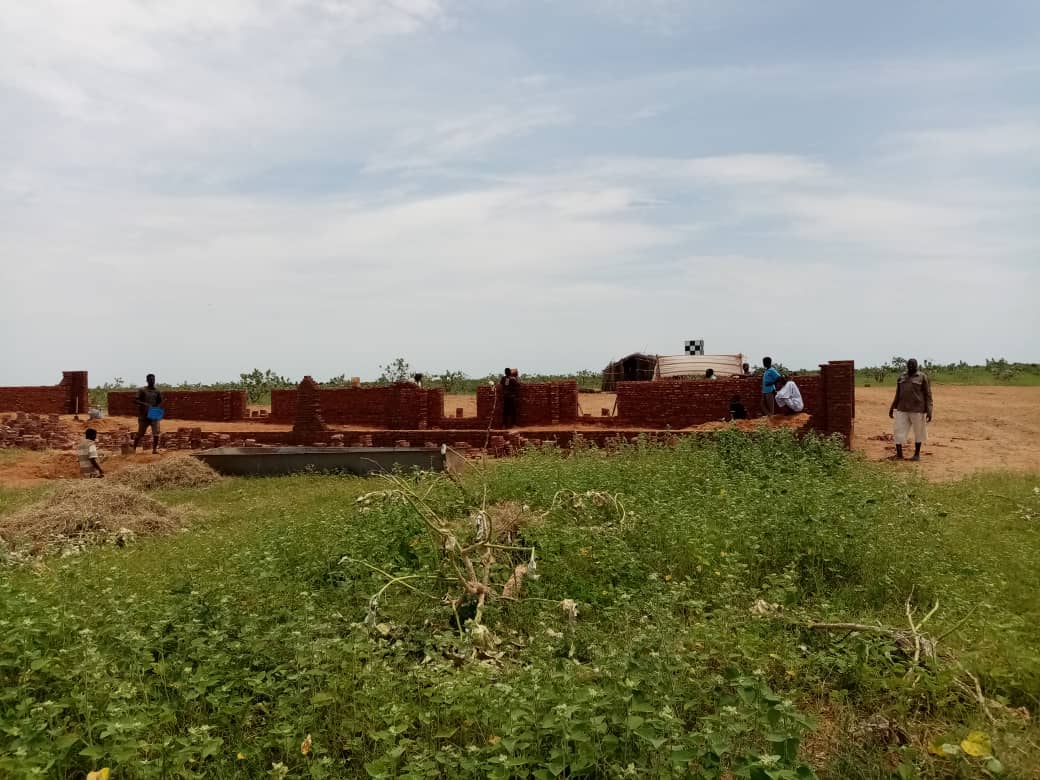
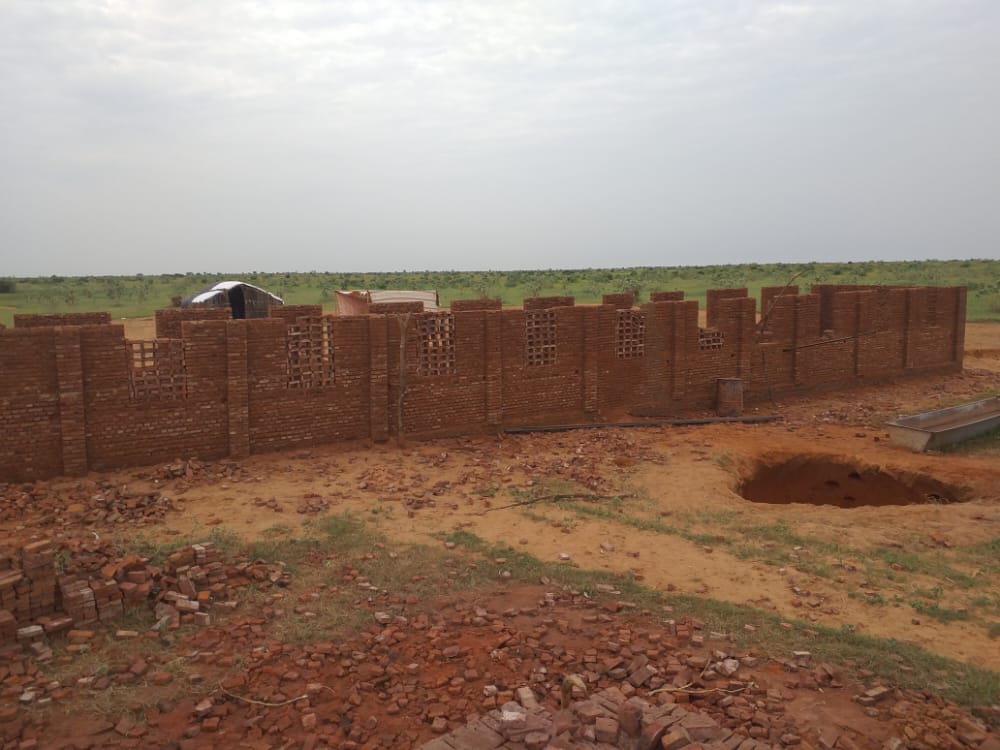
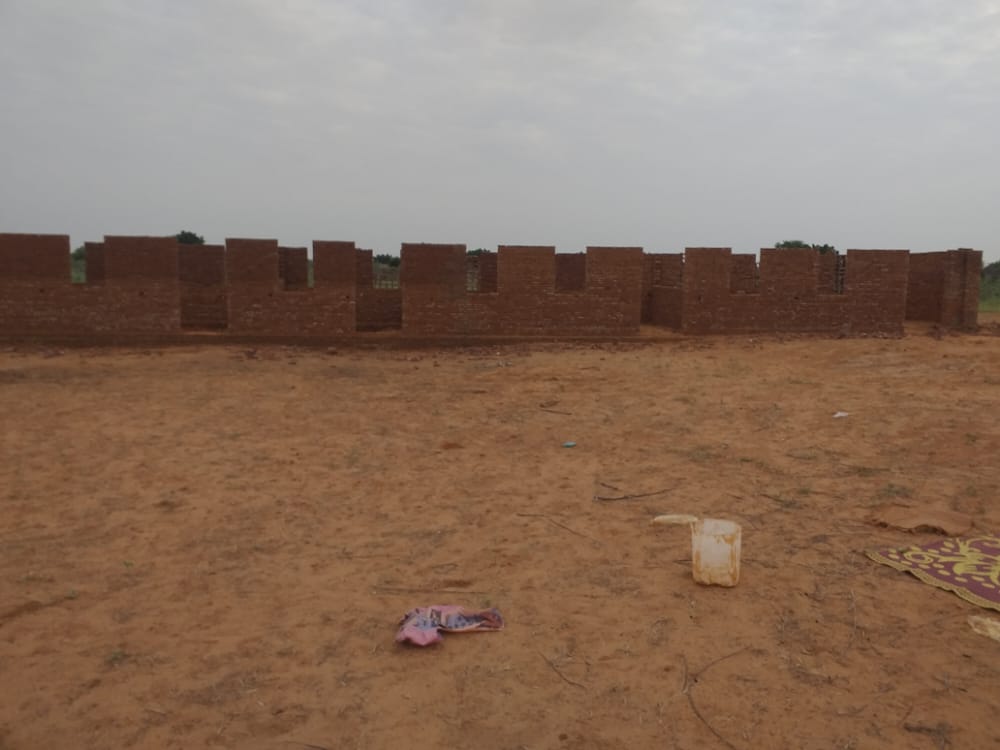
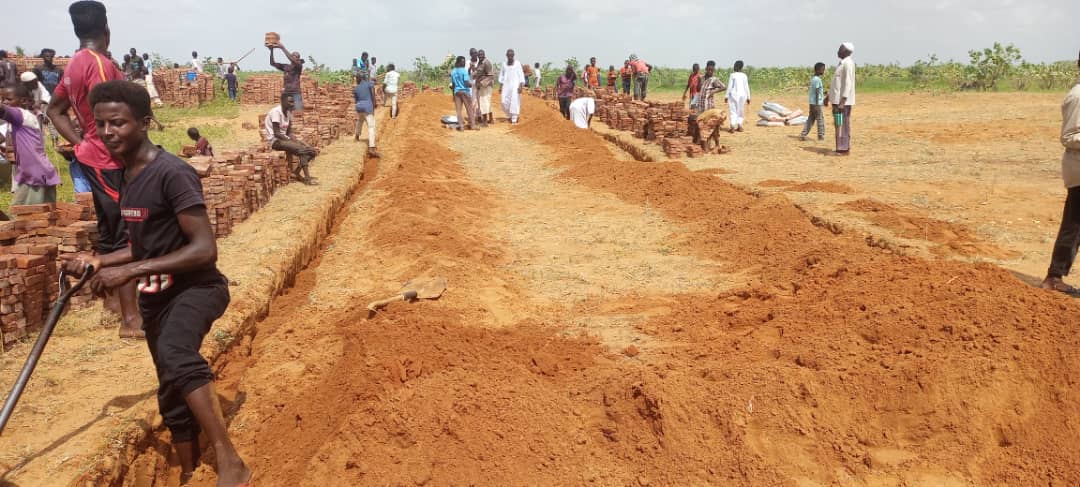
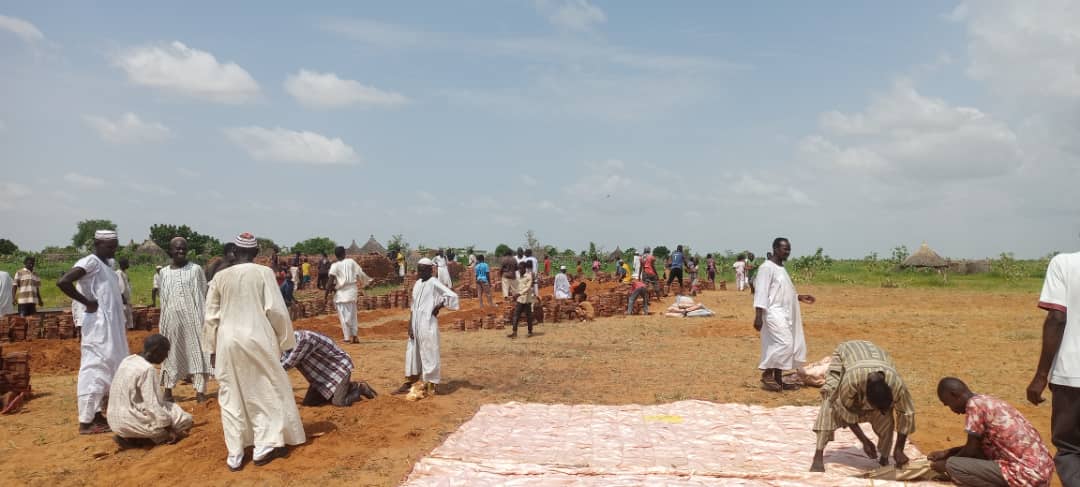
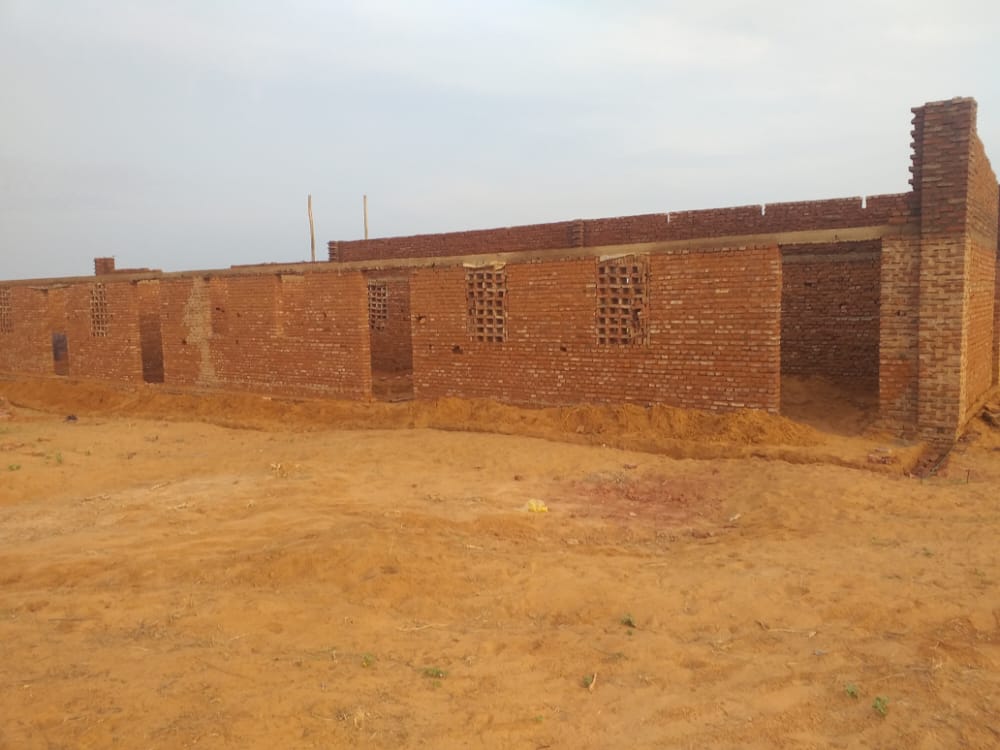
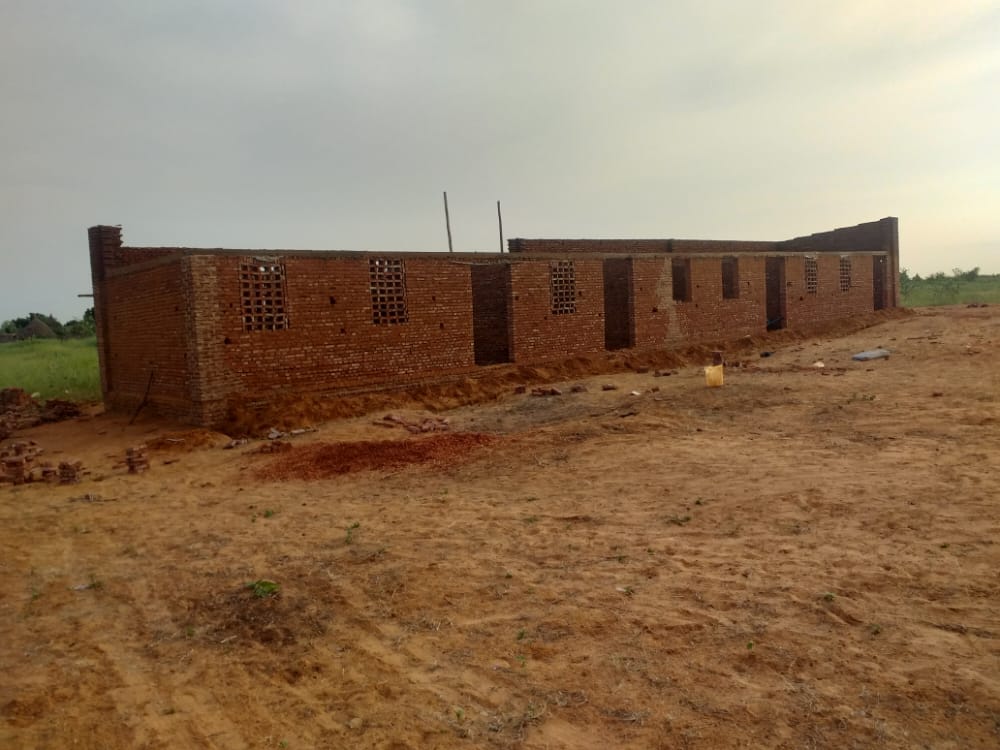
Mishailaekh Village, located within the Central Om-Ruwaba Rural District, is the proud site of Azam Education Institute School Two, the latest addition to our mission of delivering quality primary education. Established this year, this project is an essential step towards addressing the educational needs of the local community. The village, comprising 700 families, will now have a dedicated institution to serve approximately 130 students, marking a positive turning point for the region.
As the sole educational institution in the village, Azam Education Institute School Two will be a co-educational facility, catering to both male and female students. The village’s close proximity to Azam Education Institute School One, a mere 04 kilometres in the western direction, underscores our commitment to expanding educational opportunities throughout the region.
Our new school features three classrooms designed to facilitate effective learning and one teacher’s office, ensuring that educators have the resources needed to provide quality instruction. Azam Education Institute School Two represents a significant stride in our mission to empower communities through education, providing a bright future for the children of Mishailaekh Village.


 Mahboob Azam